
General Agricultural Economics Tips
Economic Factors Affecting Farm Productivity


Farm productivity extends beyond basic land and labor resources since diverse economic elements profound impact on its outcome. Economic factors that act on agricultural operations control outcomes for farm productivity as well as profitability, alongside sustainability. The investigation of economic variables leads farmers toward optimal yield and better industry positioning. The guide covers crucial economic elements that influence farm productivity while showing farmers their best operational changes for achieving maximum output. The resource presents guided plans that assist beginners in agriculture and established farmers in building sustainable economic strategies.
Input Costs and Availability
A farming business needs affordable farm resources as well as accessible resources to function successfully. All components comprising seeds and fertilizers, and labor force with access to fuel are necessary for successful farming production. The agricultural agents must control their production levels and lower product standards because farming product prices continue to rise and resource availability decreases. Supply chains must maintain continuous operation because their normal function protects agricultural timeframes from operational breakdowns. Continuous profit expansion depends on merging cost intelligence with suitable management methods. Proper monitoring and planning of input utilization creates better farm results and reduces market uncertainties simultaneously.
Fertilizer and Seed Prices
The heavy dependence of plant growth on fertilizers and seeds needs farmers to pay increasing prices yet makes affordability challenging. The ability of farmers to pay for their input expenses directly affects their earnings because negative yield effects trim both their profit margins and their food production capacity. The budgetary challenges make farmers acquire inadequate materials of poor quality that decrease their agricultural yields. The complexity of input planning increases because market demand combines with weather conditions and geopolitical situations that lead to volatile international prices. Budgetary deficits force farmers to conduct supply assessments when buying additional products while also looking into organic and regional farming as sources. Through the integration of suitable buying methods with precise application usage farmers succeed in minimizing their costs and input-related costs.
Equipment and Machinery Costs
The successful production outcomes delivered by modern agricultural equipment demand high purchase and maintenance expenses from farmers. The purchasing criteria for tractors along with harvesters and irrigation systems exceed what most small-scale farmers can afford. Merging maintenance delays with equipment care postponements results in operational ineffectiveness leading to longer work periods and stronger dependence on human personnel. The increasing costs of materials along with fuel components drive equipment price points toward higher values. The acquisition of affordable farming equipment becomes possible for local farms when they engage in equipment sharing arrangements or lease agreements or purchase secondary farming equipment. Each farm receives required tools from the combination of state-financed agricultural funding and direct government funding. The implementation of equipment maintenance practices and multi-function equipment systems creates immediate cost reductions from the start of use until equipment decommissioning.
Labor Expenses
Operation of farms necessitates substantial investment in labor since these standard farm costs provide answers to precise manual tasks. One cause of production delays in agribusiness stems from insufficient workers and rising salary demands during planting and unwanted weed clearing and harvesting that lengthen farm cycles which diminish farm productivity. Crop destruction happens as operational mistakes arise from inadequate training of employees and result in poor resource exploitation. Agricultural staff must receive proper training as an investment into cost management because these training programs help avoid mistakes and deliver better outcomes. The combination of task mechanization systems with workflow planning systems enables farmers to minimize their dependency on human workers in farm operations. Business operations obtain maximum value from temporary staff with seasonal contractors joining during peak periods to control labor costs and maintain steady workloads.
Fuel and Energy Costs
The combination of machinery operation and irrigation systems functions because of fuel and energy consumption thus permitting storage unit operation and processing equipment operation. The prices of fuel resources have a direct impact on regular agricultural operations in mechanized commercial farms. Equipment operation becomes economically efficient only after fuel and power costs increase because the beginning profit decreases. The high energy expenses influence both refrigerator methods used for storage and transportation solutions required for harvested products. Farmer expenses can be managed through implementing energy-saving measures which merge water resource control systems with scheduled equipment maintenance alongside solar energy infrastructure. The combination of economic advantages with environmental sustainability emerges because farm designs establish shorter field spaces that minimize fuel requirements.
Supply Chain Disruptions
The operation of seed distribution and fertilizer delivery and pesticide shipment and machinery component movement needs international and regional inter-connected distribution systems. When global conflict merges with natural disasters and infectious diseases and transportation stoppages occur it causes planting delays that shorten growth cycles and increase production costs. When various production stops occur together it reduces agricultural output levels and manufacturing expenses increase due to spoilage damages to seeds and fertilizers. Farmers need accurate prediction data about their production and they must maintain several alternative supplier networks for supply chain resiliency. The effectiveness of farm risk management increases when farmers combine tactical supply chain management along with cooperative relationships with agricultural coops in surrounding areas. Standard business performance requires farms to establish resilient supply chains.
Government Policies and Subsidies
Agricultural performance results directly from governmental approaches to agricultural operations combined with their establishment of farming regulations and implementation of restrictions. The Established policies of governing bodies dictate every operational decision through programs supporting farmers and legislation for cultivation procedures. Through sustainable and continuous policies farmers gain investment opportunities along with access to innovative techniques for sustainable agricultural methods. Economic distress along with unpredictability occurs when governmental agencies introduce sudden policy shifts or reduce their support measures. Strategic farm planning will improve when farmers understand the procurement expenses and industry reach effects of different regulatory instruments and regulatory measures. Farmer success in the present and future needs complete knowledge about incentives and restrictions to maximize financial growth and business expansion.
Agricultural Subsidies
The subsidy support system allows farmers to obtain price relief by covering seed costs as well as fertilizer and fuel expenses. Total disaster relief assistance helps farmers protect or build their agricultural output levels during unfavorable market situations. The programs established to provide support maintain income stability for farmers when prices suddenly decline in the market. The government uses its subsidies to develop specific crop production and protect the environment and safeguard national food security. Farmer applicants face multiple complicated steps and official requirements set by lending institutions when trying to obtain funding through their programs. Farmer success in market competition stems from their knowledge of subsidy programs which leads to lower operational expenses and better agricultural safety control.
Land Use Regulations
Public land use regulations define where farmers can operate along with controlling their available agricultural procedures. The combined impact of zoning laws and conservation mandates and urban growth directives restricts farmers from agriculture because these government regulations restrict their land ownership. The implemented regulations both restrict the spread of farming activities and mandate farmers make crop adjustments and create restrictions for irrigation systems and pesticide applications. The regulations adopt environmental protection purposes yet they introduce heightened planning thresholds which farmers need to fulfill. Farmers gain protection from administrative penalties through their knowledge of local rules to make operational adaptations. The long-term improvement of agricultural sustainability stems from administration backing that generates beneficial land policies.
Environmental Compliance Costs
Worldwide administrative institutions implement environmental farming requirements to decrease pollution while protecting biodiversity alongside addressing climate change requirements. Direct compliance for farmers demands sustainable farming methods that might cover two essential areas of chemical substance management combined with proper waste disposal practices alongside water preservation strategies. Besides substantial long-term advantages these farm modifications necessitate upfront expense for cryptographic devices and accreditation designation together with operational revisions. Environmental standards fulfillment by farmers unlocks possibilities to obtain green certifications and incentives that enhance their market value. The methods based on environmental safety ensure complete legal requirements while maintaining healthy soils that lead to sustainable farm productivity outputs in the long term.
Tax Incentives
The government allows farmers to receive tax benefits after they acquire official equipment where renewable energy components and approved conservation practices are present. Government entities provide funding as financial incentives for companies to modernize their equipment so they can develop sustainable business operations. A tax benefit exists when business entities acquire solar panels and no-till planters during the same transaction. Farmers looking to receive tax benefits need to understand all guidelines regarding eligible expenses while recognizing their relevant deadline dates. Agricultural incentives require complete use from farmers who must consult both agricultural accountants and local agricultural offices. A smart management strategy for tax policy enables organizations to reduce costs and increase earnings that lead to farm productivity enhancements.
Trade and Export Policies
International trade regulations decide what products are profitable at home and for exports to foreign markets. Through market-enabling charges and quotas and trade agreements producers gain control over the crops they cultivate as well as their pricing models. The implementation of export policy enhances agricultural product market demand however restrictions on international trade can harm market position while exposing marketers to severe risks. The combination of trade policies that change with economic sanctions creates market instability resulting in both production planning disruption and income volatility. Knowledge of government policies provides farmers with planning capabilities to organize activities according to rising trends. Generous trade legislation achievement by farmers within their cooperative group results in new market entry possibilities worldwide.
Access to Financial Services
Farm productivity requires dependable financial services with affordable pricing to increase its quality. Through credit lines and insurance programs and grant funding farmers receive direction to buy upgraded tools and seeds and infrastructure and advanced technology. The lack of financial resources creates obstacles preventing farmers from investing in better equipment and handling risks and securing operational expansion. Microloans combined with crop insurance make up the essential resources for smallholders because they safeguard them from unpredictable events. Knowledge in financial matters shows farmers how to make the best use of their resources. Strong financial support systems increase farming resilience so that unpredictable market conditions along with climate changes become manageable for constant farm productivity.
Farm Credit Availability
The acquisition of seeds together with required fertilizers and irrigation units and tractors necessitates agricultural credit from farmers. Farmers who obtain affordable credit choose perfect times to buy needed equipment which enhances their ability to operate effectively. Through government-backed and cooperative bank lending programs farmers acquire low-interest loans whose repayment terms align with their operational cycle. The current level of credit availability is restricted to rural regions and underdeveloped areas thus reducing agricultural innovations and market adaptations among farmers. Agricultural workers require clear lending systems operating across their territory to boost their productive capacity in farming operations.
Crop Insurance Programs
Crop insurance protects farmers from financial ruin that results from sudden weather patterns and pest outbreaks together with disease outbreaks. Through insurance farmers can maintain their revenue while getting partial to total coverage which allows them to conduct calculated risks to increase their crop yield. The operational structure of these programs varies from one another but government services with private insurance providers administer the programs. Farmers receive premium worth through crop failure coverage since the program expenses remain minimal in the insurance system framework. The financial stability of farmers improves when they join crop insurance programs because they maintain profitable agricultural operations in times of external challenges.
Interest Rates
The value of borrowing expenses stems from interest rates since these rates determine the affordability and availability of loans to users. High interest rates force farmers who have small operations to lack sufficient funds for investing in operational expansion and purchasing advanced equipment or new technology. Farmer capital acquisition becomes simpler when interest rates drop because such rates make funding more attractive thus allowing them to improve operational farm productivity. Working alongside agricultural financial advisors enables farmers to find optimal times for obtaining loans from financial markets. Farm industries receive the best advantage from interest rate regulations that farmers agree with.
Microfinance Options
The underserved farming population receives short-term small-scale financing through microfinance institutions because these people have limited income levels. Microfinance institutions enable these special microloans reachable only to farmers with bankless status and minimal or nonexistent credit documents and asset-based security. Transfer of microloan funds enables farmers to get seeds seeds and tools and fertilizers before each main planting season and harvesting period. Local knowledge and community-based microfinance lending structures enable financial capital distribution to broader groups of people inclusively. Lenders who select financial opportunities reach better production outcomes since they sustain their businesses effectively during situations of limited resources.
Financial Literacy
Educational financial instruction equips farmers with budget management skills together with methods to compute returns and analysis of loan terms which enables them to make effective investment decisions. Knowledge of basic financial principles is critical because trustworthy farms need to handle their expenses efficiently although they continue to struggle with cost management. Agricultural business advising through digital platforms helps farmers make better decisions which results in significant profits. The information which pertains to risk management alongside market analysis and cost-benefit planning provides farmers with exactly what they need. The allocation of funds toward farmer education supports sustainability in agriculture as well as enhances farming levels.
Market Dynamics and Pricing
Market operations require understanding by every farmer looking to secure profitability because these principles guide their agricultural planning strategies. Agricultural commodity prices stem from global market quantities and customer conduct together with vendor distribution methods determine market value. The combination of market pricing trends understanding together with market movement knowledge enables farmers to make planning decisions regarding their production schedule and investment strategy. Farmers benefit from market fluctuations through new opportunities yet these same fluctuations pose challenges because of their market position and bargaining abilities and crop selection variety. Superior agricultural decisions become possible through market dynamic knowledge which aligns with shifts in consumer preferences to optimize farmer revenue and decrease operational risks.
Commodity Price Fluctuations
Weather patterns as well as international market requirements and trading framework transformations immediately influence agricultural product prices through market forces. Such unexpected market fluctuations during the crop cycle create challenges for financial planning and depletes investor confidence. The unexpected downturn of market prices results in farmers being unable to make up for their production expenses which leads to financial setbacks. Producers implement storage techniques alongside futures contracts and diversification strategies to handle their market situation. Farmers who track market pricing patterns together with their determining variables can notice market transitions prior to their income disruption.
Market Demand Trends
Consumer taste modifications prompt farmers to maximize profits by producing particular agricultural commodities. The market direction shifts toward specific products because consumers choose organic farming products and plant-based substitutes. An active participation in market monitoring allows farmers to shift their production operations toward rising market demands thereby growing their profit potential. Farmers who do not pay attention to market indications produce excessive amounts of crops that do not generate profits. The continuous cash flow and market stability across diverse agricultural industries become possible through farmer implementation of current market direction modifications.
Access to Local and Global Markets
Multiple market operation by farmers brings better potential income through superior market pricing power. Local market sales provide fast profits but businesses which reach international markets obtain premium prices with upgraded product marketplace potential. Farmers access both domestic and international markets when they cooperate with available infrastructures which support international trade regulations through established diplomatic agreements , facing access restriction problems must settle for less money by expanding their sales network to multiple market participants. Who join digital marketing systems and improve transport networks become more capable of finding new customers and gaining better price terms.
Price Negotiation Power
Through the farmers’ market connection farmers are normally required to work with middlemen including wholesalers or traders who acquire goods at extremely reduced market prices. People who make their market decisions independently from their bargaining groups stay unaware about both price levels and their bargaining capabilities. When farmer cooperatives apply both price information tools alongside direct consumer sales they enable their members to secure improved pricing terms. Price control reduces market losses while allowing farmers to get better market value on their products along with choosing more strategic farm choices. Market information together with negotiation tools provides farmers with enhanced power that results in positive conditions for their market activities.
Contract Farming Agreements
Contract farming develops terms with buyers in advance for fixed pricing and signed purchase agreements between parties. Before planting season begins the agreements establish both reduced market uncertainties and predefined buyers for crops. The agreements provide both technical assistance and support to acquire fundamental inputs. Farmers must establish transparent terms within their divine contracts because buyers find such terms beneficial but farmers should protect their interests against unfair agreements. Contract farming management produces financial steadiness through enhanced market accessibility and product output growth.
Technological and Infrastructure Access
Modern technology coupled with reliable infrastructure structures raise farm operational effectiveness as well as economic success. Doctors using precision tools enable farmers to improve resource efficiency and minimize waste production while executing better planning decisions. The accessible internet enables farmers to receive immediate weather reports along with market forecasts and expert professional advice. The combination of efficient irrigation with proper storage facilities built using good transportation networks preserves harvests from loss until they reach destination markets on schedule. Researchers who provide agricultural information together with extension services stimulate farmers to adopt advanced farming practices. Current trends show that technology investments with infrastructure development must become mandatory because agriculture needs these to remain competitive and sustainable moving forward.
Use of Smart Farming Tools
Modern farming devices with GPS guidance features and sensors and drone applications enable farmers to focus fertilization and water and pesticide applications only on specific areas. The tools enable resource optimization which results in cost reduction and higher production output and ensures better efficiency together with sustainability. The use of such tools results in decreased labor needs and diminished opportunities for mistakes by humans. Farming receives more effective data insights which enable farmers to react quicker to environmental transformations and construct better strategies. The high starting costs for precision agriculture provide long-term benefits through enhanced farm productivity together with decreased costs which support the implementation of precision farming systems.
Internet and Connectivity
The agricultural sector depends more and more on high-speed internet for its continued operation. The use of agricultural monitoring applications through connected software allows farmers to conduct crop observation and weather prediction and monitor their inputs. Through reliable internet connection farmers obtain access to remote advisory solutions and they can join virtual marketplaces and monitor policy or market developments. The growth of rural farm productivity and development depends heavily on digital literacy together with connectivity access. Toxicity empowerment in digital systems makes farm information accessible immediately thus minimizing risks while improving decision quality.
Irrigation Systems
Irrigation needs to be implemented efficiently because it helps achieve steady crop yields particularly when rainfall is unpredictable. Drip and sprinkler irrigation systems allow immediate water supply to plant roots thus saving water while increasing agricultural farm productivity. The deployment of automated irrigation systems combines both labor savings with reduced possibilities of both excessive watering and drought-related stress for plants. Farm efficiency together with higher production levels becomes possible when farmers use modern irrigation technology instead of traditional techniques. Such irrigation systems become accessible to smallholding farmers through programs backed by government subsidies and cooperative schemes.
Transport and Storage
Farm income suffers a major reduction from post-harvest deterioration. Roads built to lasting standards along with transportation systems provide quick deliveries of agricultural products which prevent spoilage and maintain its market value. Cold storage units act as storage facilities which prevent crop spoilage particularly for perishable agricultural products. The investment into transport systems combined with storage capabilities helps decrease waste while opening better market gates which gives producers flexibility to maximize their sales during favorable price periods. The improvements serve to minimize operational expenses which leads to better total farm productivity results.
Access to Research and Extension Services
Agriculture development strongly depends on research institutions and extension services because they provide innovative techniques along with crop varieties and problem-solving solutions to farmers. Farmers obtain the most recent pest management methods together with climate risk mitigation strategies along with soil conservation practices through these initiatives. Farmer services enable them to develop skills in using technology appropriately. Farmers gain knowledge and power through their regular communication with experts about agriculture which takes place through workshops, field examinations and digital platforms. Resources available to farmers lead to immediate output increases as well as long-term resistance development.
Conclusion
Farmers gain resilience and make better decisions while removing operational inefficiencies through their understanding of economic factors that affect their productivity. Through their approach to handle input prices together with subsidy programs and financial resources and technological solutions they can enhance sustainable and profitable agricultural production. Agricultural success throughout the long term requires farmers to maintain a state of built-in adaptation together with complete understanding.
The newsletter provides essential economic guidance which enables farm owners to boost their production levels. The premium subscription to our newsletter delivers expert advice along with valuable tools and achievement examples which lead to your agricultural prosperity in contemporary times.
FAQs
-
What are the main economic factors that influence farming?
The primary economic elements which affect farming operations include input expenses together with marketplace value and governmental interventions and financial capital accessibility.
-
Which elements of farm production costs control agricultural productiveness?
High price levels restrict farmers from obtaining necessary resources which decreases their operational efficiency.
-
Government policies maintain what role in the agricultural sector?
Farming productivity is affected by two types of government-supported policies: those which give assistance and those which enforce limitations.
-
Why is financial access important for farmers?
The use of credit and loans allows farmers to purchase farming tools for better yield production.
-
How does market demand influence farm decisions?
Agricultural producers make their farming decisions by evaluating which products bring the highest sales income.
-
Can technology improve farm productivity economically?
Implementing smart sensors together with software programs achieves two benefits for farmers by decreasing waste and enhancing production rates.
-
What are the benefits of crop insurance?
Farmers have access to financial protection through this system because it shields them from losing money when their yields or calamities occur.
-
How can farmers deal with price fluctuations?
The risk reduction succeeds through crop diversification and participating in agricultural contracting agreements.

When a farmer approaches small-scale farming with strategy, it becomes highly profitable. It is vital for small-scale farming to implement resource-efficient methods alongside data-based decision systems because they need to select valuable crops for their minimal land availability. Small-scale agriculture requires decreased costs and higher yields while connecting properly to markets to become profitable. Farmers achieve higher profits through both spreading their crops across multiple varieties and adopting green-friendly methods in combination with contemporary farming equipment and strategies. This document provides concrete instructions that enable small-scale farming to transform their small areas into sustainable business enterprises. The provided information will aid farmers at any experience level to optimize their yields through sustainable agricultural methods.
Choosing the Right Crops
Choosing appropriate crops exists as an essential factor for achieving maximum profits in small farm operations. Coming together breeds profitable farms when farmers select crops known for market popularity and match these crops to their place’s climate and workforce needs. The combination of crops with value-based potential, minimal resource requirements and native climate tolerance allows farmers to optimize their resource allocation to high-demand markets. Before making sales to consumers or businesses it is essential to identify crops that will generate the best return on investment. Multiple crop methods ranging from quick-growing vegetables to extended perennials of various kinds will be examined in this section to support small-scale farming with their selecting profitable choices.
High-Value Vegetables
The combination of kale and arugula with spinach and basil and microgreens represents ideal produce options for small farmers because they offer high commercial potential. The fast growth characteristics of these particular crops combined with their limited harvest duration make them highly desirable for farmers’ market customers and restaurants and local grocery stores. Microgreens serve as the best small-scale farming cultivation when seeking to achieve maximum profit from every square foot. Vertical systems and containers provide suitable areas to grow these vegetables because they need small amounts of space. Small farmers can expect regular cash flow because they can collect these vegetables several times annually. Urban and peri-urban farms should choose these produce items due to their high premium prices which increase further under organic and sustainable growing conditions.
Perennial Crops
Lasting income streams from blueberries, raspberries, asparagus and avocado trees can be sustained without requiring continuous physical labor that annual crops need. The return of perennial plants from one year to the next eliminates the requirement to replant and minimizes operation expenses. Perennial plants help protect the soil while raising the number of species on the farm and enhancing weather resistance properties. Small farms find perpetual crops suitable because farmers must initially invest more but these crops provide continuous yields which can be harvested fresh or frozen along with generating revenue from various added-value products. Combining perennial plants with short-season crops leads to balanced income from the market and improved business income.
Specialty Crops
The market demand for gourmet mushrooms including oyster and shiitake mushrooms along with culinary lavender combined with medicinal herbs including echinacea and chamomile allows farmers to generate significant profits from niche markets. Specialty crops achieve higher returns both as organic products and as premium value-added items that include teas and oils and tinctures. Mushrooms function well as indoor crops because growers can produce them in small spaces that suit both urban and indoor agricultural settings. Health-conscious consumers together with chefs who value distinctive ingredients find specialties markets while these products also afford excellent branding opportunities. The strategic application of market research along with correct cultivation methods enables small-scale farming to change their profit situation permanently.
Intercropping Strategies
Two or more crops can be cultivated in proximity to each other inside intercropping systems where carrots are grown together with onions and lettuce with radishes. Soil fertility increases while pests automatically decrease because of this farming technique which optimizes land use. Better resource management in intercropping systems happens when taller plants shade sun-sensitive varieties and nitrogen-fixing legumes enhance the soil nutrients for intensive feeder plants. Small-scale farming gain improved productivity and enhanced weather and market resistance by using the same plot of land because of this practice. Successful intercropping relies on precise plans that match crops according to their respective growth requirements and underground development as well as their harvesting periods.
Climate-Smart Choices
Picking crops for your local climate enables reduced monetary risks and higher profits. Local climate conditions determine the selection of smart farming varieties that withstand drought in arid zones through their tomato crops as well as rice that resists flooding in wet regions. Ecological-intelligent crops need fewer irrigation resources as well as pest management and fertilizer so overall operational expenses decrease and environmental consequences diminish. The correct planning of planting dates according to seasonal precipitation and temperature patterns leads farmers to achieve their best yields with superior quality outcomes. Farming climate-proof crops helps protect your agricultural business from future weather fluctuations because of global climate shifts thus providing consistent production levels together with stable earnings.
Efficient Use of Resources
The management of resources effectively establishes the basis for achieving highest profits in small-scale agricultural operations. A well-planned resource distribution of water as well as labor and tools and inputs increases your operational efficiency and productivity and reduces your expenses. Strategic plans which guide farm construction and system development processes lead to healthier yields and improved output from each supplied resource. The goal exceeds financial savings since wise decisions enable sustainable operation of your farm into the future. This section presents workable techniques for waste minimization and cost-efficient investments that consist of organic fertilizer usage combined with home-built infrastructure constructions for small-scale agricultural settings.
Organic Fertilizers
The natural fertilizers which include compost and worm castings and green manure and animal waste produce soil enrichment without requiring synthetic chemical inputs. These materials serve the requirements of small-scale farming because they are free or inexpensive when produced on-site. Apart from enhancing soil composition and nutritional value organic fertilizers activate soil microorganisms while improving water retention and supplying controlled nutrient releases. Healthy crops combined with reduced pest risks and increased yield production occur as a result. Soil sustainability becomes a valuable asset in farming profitability when farmers follow regenerative practices while diminishing their chemical use.
Water-Saving Irrigation
Water management requires efficient practices because drought-prone areas and areas with limited water supply need appropriate solutions. Drip irrigation releases water directly into the plant root zone area which stops both evaporation and surface water movement. Mulching layers protect soil moisture by directly covering the soil layer and simultaneously prevent weed growth and regulate underground temperatures. The two techniques combine to decrease water consumption by fifty percent while enabling healthier plants that possess greater resistance. The adoption of water-saving irrigation methods by small-scale farming provides two major benefits which consist of reduced utility expenses together with reliable crop yields during periods of drought. These systems provide easy installation while remaining scalable for different types of fields and garden and tunnel setups.
Low-Cost Tools and Equipment
The purchase of versatile garden instruments including broad forks and wheel hoes and manual seeders lets farmers cut costs for mechanized equipment while obtaining improved operational efficiency. The tools enable minimal staff to work on big-sized planting and harvesting jobs despite their compact dimensions. The selection of strong and ergonomically built tools leads to lower worker exhaustion and higher hourly production rates. On tight-margin farms the investment benefits from low-tech solutions often surpass the expenses involved in purchasing machinery. An appropriate set of tools transforms a small operation into an actively productive and sustainable business throughout the year.
Crop Rotation
Crop rotation functions as an established agricultural technique to sustain soil well-being while stopping infectious agents and pest accumulation. Legume-to-leafy-green crop rotations contain two essential elements: they restore soil nutrients and they disturb the life stages of crop-damaging pests. The approach helps decrease dependency on chemical pesticides and fertilizers which leads to money savings and protects the diversity of soil inhabitants. Soil structure enhancement through rotation makes water enter deeper into the ground which enables healthier roots that produce more resilient plants. The practice of crop rotation at small farms proves to be a budget-friendly approach which raises both crop output and environmental sustainability and economic viability without requiring substantial labor investment.
DIY Infrastructure
Farmer-built infrastructure which includes greenhouses and cold frames together with compost bins and drip systems decreases the expenses of farm startup as well as operations. Farmers who possess basic skills together with creativity can build useful systems which fit their individual requirements using fundamental materials. By building your own hoop house you can lengthen the growing periods and convert waste kitchen material into valuable compost through home built compost bins. Step-by-step tutorials available through online resources in combination with farming communities enable beginners to understand complex projects before they start. When farmers build infrastructure themselves they gain two advantages: they can choose their growth rate incrementally and they maintain ownership of their establishment while spending their funds best across their entire operation.
Smart Marketing Strategies
Looking for a buyer represents only one part of selling produce because your focus should be connecting with suitable customers who offer proper prices. Smart marketing methods are mandatory for small-scale farming to achieve maximum profit acquisition along with sustainable customer connections. Quality along with establishing identity and creating customer connections should replace competing through high volume. Using branding measures with digital marketing platforms and addressing specific customer groups and premium product development enables farmers to differentiate from competitors and maintain customer satisfaction. Through marketing your farm can convert its labor into profitable sustaining revenue by either connecting directly with consumers or by developing unique processing methods to increase shelf life.
Direct-to-Consumer Sales
Third-party middlemen are eliminated by farmer marketplaces and roadside stands and CSA membership programs which result in elevated profit margins for the farmer. The absence of middlemen generates increased revenue for every transaction and allows customers to engage with homegrown produce that they value. These selling channels enable instant customer feedback which grants you the ability to modify prices or product selection throughout the day based on customer demand. Small-scale farming operators benefit from direct sales which produce reliable revenue streams and increase local recognition and maintain full clarity about transactions that appeal to contemporary consumers. A loyal customer base combined with positive word-of-mouth will produce steady revenues for your local stand which will become a sustainable business.
Branding Your Farm
The essence of your farm which distinguishes it from others exists beyond the initial logo creation. A powerful brand develops customer trust by sharing features about your operations while showcasing how you deliver high-quality items to your market. The use of repetitive packaging visual elements,ogenic messages and uniform appearances will help make your farm’s products identifiable to customers. Through an effective farm name and tagline combination with mission statement your farm products can stand out in competitive markets since they offer higher premiums. Small businesses needing branding develop into much-desired community providers instead of remaining ordinary market participants. When operations have clear identities they become more adaptable for selling through other markets such as specialty shops along with restaurants.
Niche Market Targeting
By focusing on targeted markets composed of organic consumer sectors plus ethnic cuisine fans and food enthusiasts seeking gourmet products you can achieve superior profit potential than widespread competition. These markets prioritize all three aspects of quality and origin alongside farming practices instead of valuing price as their main factor. Dating back to the 1800s heirloom tomatoes along with exotic herbs and culturally unique vegetables yield sales premium in their defined markets. The identification of specific audience groups that lack sufficient service enables small-scale farmers to achieve profitability by utilizing reduced land areas and lower input levels. Using your business to serve specific market needs allows you to bypass crowded sectors and create yourself as a trusted producer of rare exclusive items.
Digital Presence
Every business operating in present-day markets requires an active digital presence including farms. Through Facebook and Instagram social media users can view current farm products and experience your farm background through interactive features that enable personalized interaction with local consumers. Your business will gain more customer support through a basic website that includes contact information together with product availability details and ordering options. The combination of regular updates and Google My Business tools enables your farm to gain trust from customers and improve search engine appearance. Digital visibility works to establish your professional reputation so your reputation grows by bringing both current purchases and loyal customer relationships.
Value-Added Products
Adding value to your fresh produce through the creation of jam, salsa, pickle and dried herb goods increases profits substantially while lengthening product shelf stability. Higher profits and elevated demand accompany these products since customers find them both convenient and new. Additionally the process of value-added product development enables farmers to convert excess or imperfect produce to create new marketable products which reduces waste and increases money-making potential through premium product pricing. Small beginning production of basic recipes enables farmers to increase their offerings when the market demands it. The correct licensing combined with proper packaging enables you to sell your products through markets as well as local stores and through online channels. Your business revenue will increase and your brand will stick in customers’ minds when you provide added value to your portfolio of products.
Diversifying Income Streams
Financial security for farms remains fragile because they exclusively depend on crop profits. An increase in different revenue streams enables small-scale farming to improve their financial stability and maximize both their land potential and skills effectiveness throughout the year. The creation of various income sources including livestock care and educational activities and farm event programs helps farmer’s lower business risks and reach new customer markets. Regular diversity efforts enable farmers to transform their farms beyond basic food production into places where visitors learn and businesses develop a notable brand. Right planning of these techniques allows businesses to boost earnings through community-focused growth strategies.
Livestock Integration
A farm can use small livestock animals including rabbits or chickens together with goats to extend product selection with dairy items and meat while supplying fresh eggs. The produced excrements benefit soil fertility and enable farmers to minimize their dependence on chemical fertilizers. Utilizing livestock allows for the safe management of food waste through the process of feeding them plant parts along with undesirable food items. Through integrated farming systems farmers maintain sustainable operations and reduce resources utilization while obtaining revenue streams from different agricultural sectors without increasing their agricultural areas. The right care methods along with compact agricultural structures enable livestock to become a profitable low-maintenance operation which promotes environmental stability.
Agritourism
Your farm will make money by welcoming visitors through such agritourism events as harvests and farm tours which combine educational experiences with recreational activities for seasonal festivals. Your farm creates direct sales income from events that also increase public recognition of your business operations and develop loyal customer relationships. Community workshops focusing on gardening and composting and cookery sessions produce strong community bonds that draw both casual visitors and regular supporters of your farm operation. Today’s customers wish to know food origins thus Agritourism attracts people back to farming practices through authentic connections between agricultural land and people.
Farm-to-Table Experiences
Your farm generates additional revenue when you organize on-site meals and cooperate with local chefs since such dining experiences help showcase your fresh produce. Culinary activities provide customers with an exclusive bond between food items and their farming origins. This business practice enables the creation of joint promotion efforts between local restaurants along with wineries and food influencers. The unique events organized at your farm bring out the freshness plus quality characteristics of your produce which makes customers more aware of your sustainable brand and helps create type among your local food community. Farmers who want to grow their business presence must consider these unique events because they reach experienced food consumers.
Seed Saving & Sales
Preserving the seeds from productive crops will cut your expenses and let you manage your next farming harvests independently. The initiative enables new income potential from selling heirloom plants and organically produced seeds to both domestic gardeners and educational institutions and plant nurseries. Your seed product line benefits from pairing seed sales with educational templates about seed planting advice for customers seeking authenticity and service quality. The combination of biodiversity protection and customer trust development occurs through this approach providing both benefits for your business and shareholder satisfaction. Your farm develops into a respected local authority for environmentally sustainable planting materials which strengthens over multiple years.
Educational Services
Installers with sustainable practice experience should consider creating paid teaching programs or expert webinars as well as mentoring services for others in their field. Educational services designed by this farm attract potential farmers along with urban gardening enthusiasts as well as environmentally sensitive consumers. Peaceful Haven Farm can organize their learning sessions for composting techniques and seed propagation and food preservation either at the farm or online. The implementation of these services helps your farm establish authority in sustainability and food education practices while building active involvement with community members. Such additional income flow is stable enough because it operates independently from seasonal variations and weather conditions thereby matching various farm activities well.
Leveraging Technology and Innovation
Electronic systems have become essential because farming operations now need modern technology to achieve maximum profits within small farms. The implementation of mobile apps with planting software together with environmental condition sensors leads operations to achieve higher productivity while creating data-driven systems. Automation together with remote monitoring technology enables farms to decrease manual work while managing waste better along with streamlining important operational timing. The appropriate digital tools enable farmers to maximize performance in all operational areas from start to finish. Small investments into innovation lead to significant outcomes based on increased yield and financial profits.
Mobile Farming Apps
Through smartphone applications small-scale farming gain effective operational tools to streamline their daily work routines. By using agricultural applications small-scale farming gain access to features that include crop management tools along with disease and pest detection systems and weather forecast predictions and harvest measurements. These applications provide market information which allows farmers to optimize their product sales schedule. Mobile applications eliminate uncertainty while organizing work activities so farmers can base their decisions on verified data. Farmers who have important agricultural data stored on their pocket devices can make quick informed choices through this convenient approach. A wide range of commercial mobile apps are available at affordable or zero-prices to benefit farms regardless of their operational scale or technology literacy.
Remote Monitoring Tools
When you install soil moisture sensors together with humidity or temperature devices you will achieve significant improvements in crop management. Through these tools farmers gain the ability to take on-time irrigation decisions while they stop overwatering activities and adapt rapidly to environmental variations. The delivery of current field status information to mobile devices and dashboards lets you monitor distant fields so you can stop crop stress or loss from happening. Through remote monitoring you eliminate uncertain decisions because automated checks lead to more accurate results while providing staff with more time to work. The tools enhance sustainability through effective resource management by making small farms better able to adapt to climate changes.
Drones & Mapping
Drones provide aerial farm observation that reveals poor growth areas, locations of pest infestations and water-stressed sections to farmers. Tools using aerial imaging and infrared technology allow farmers to speed up the process of crop health evaluation thus enabling more efficient intervention planning. Monitoring fields with this mapping technology allows specific treatment interventions to occur where needed thus reducing costs and minimizing environmental effects. Drone technology provides support to agricultural professionals during efforts of planning field layout designs along with fence installation and irrigation system positioning. Although the initial cost of drones is reasonable their value increases by enhancing resource utilization while increasing harvest quantities and speeding up critical issue identification.
Online Marketplaces
Farmer business outreach through internet marketplaces lets producers reach customers from various distinctive backgrounds. The online marketplaces of Etsy and Facebook Marketplace combined with local food delivery platforms and farm-specific directories enable farmers to avoid using traditional middlemen. These marketing channels enable brands to display themselves and narrate their growing practices while providing direct delivery service to customers. Through e-commerce farmers obtain flexibility to configure their prices along with packaging which enables unique deals such as gift boxes or subscription-based models. Your farm can develop lasting relationships between customers through photos that showcase your products clearly written product descriptions.
Automation Options
Small-scale farming applications of automation do not require sophisticated or expensive setups. The implementation of automatic drip irrigation together with greenhouse lighting timers and programmable feeding systems will cut daily workforce needs while minimizing human operational mistakes. The technologies enable farmers to sustain uniform growing factors while managing critical operations promptly and providing them with increased production capabilities without increasing their workforce. Strategic planning and value-added tasks become possible as production increases from automation-based systems. Solar-powered systems enable these tools to become eco-friendly and economically beneficial through long-term usage.
Conclusion
To maximize small-scale farming profits one needs to strategize instead of labor excessively. Profitable crop selection as well as cost-efficient practices combined with income diversification and modern marketing systems and tools enables farmers to achieve success despite restricted farming spaces. Transformation to a sustainable and profitable farm requires patients along with original thinking and the ability to adjust to changes. The strategies you learned here will serve as your base to pursue your livelihood through your passionate work. Whatever level of experiences a grower has, these guidelines serve as tools to maximize their farm potential.
You are ready to boost your farm revenue through profitable ventures. Put one of the strategies from this guide into effect immediately today. Receive additional farming know-how by becoming a subscriber or obtain free resources at our website for beginners in agriculture.
FAQs
-
What are the most profitable crops for small-scale farming?
The profitability of microgreens, mushrooms and herbs increases because these high-value crops have advantageous short growth periods and high market interest.
-
What method exists for straight sales of my farm produce to end consumers?
The most efficient way to sell farm produce directly to customers includes joining existing farmers’ markets or establishing a Community Supported Agriculture (CSA) system or internet platforms to connect with local citizens without passing through intermediaries.
-
Is organic farming more profitable?
Organic farming needs more work at first but delivers better prices in addition to nurturing the soil base which leads to higher earnings with time.
-
How do I reduce water use on my farm?
Your farm should obtain drip irrigation systems while implementing mulching techniques along with selecting crops that handle dry conditions within your climate area.
-
What are value-added products in farming?
Raw agricultural goods can become challenging products by processing your crops into things such as tomato sauce and herb tea blends that earn premium prices in the market.
-
A small farm business holds enough potential to pay the wages of a full-time employee?
Small farms produce complete economic incomes through effective crop selections combined with proper market approaches and revenue expansion efforts that lead to future growth.
-
The appropriate instruments that best fit the needs of small-scale farming exist which ones do they require?
The combination of wheel hoes with seeders and compost turners provides effective solutions for small farms because their cost-effectiveness improves labor efficiency.
-
The level of importance for farm branding plays what role in the process of farm sales?
Strategic branding delivers three essential benefits which enable higher prices for your premium-quality local sustainable or premium produce.
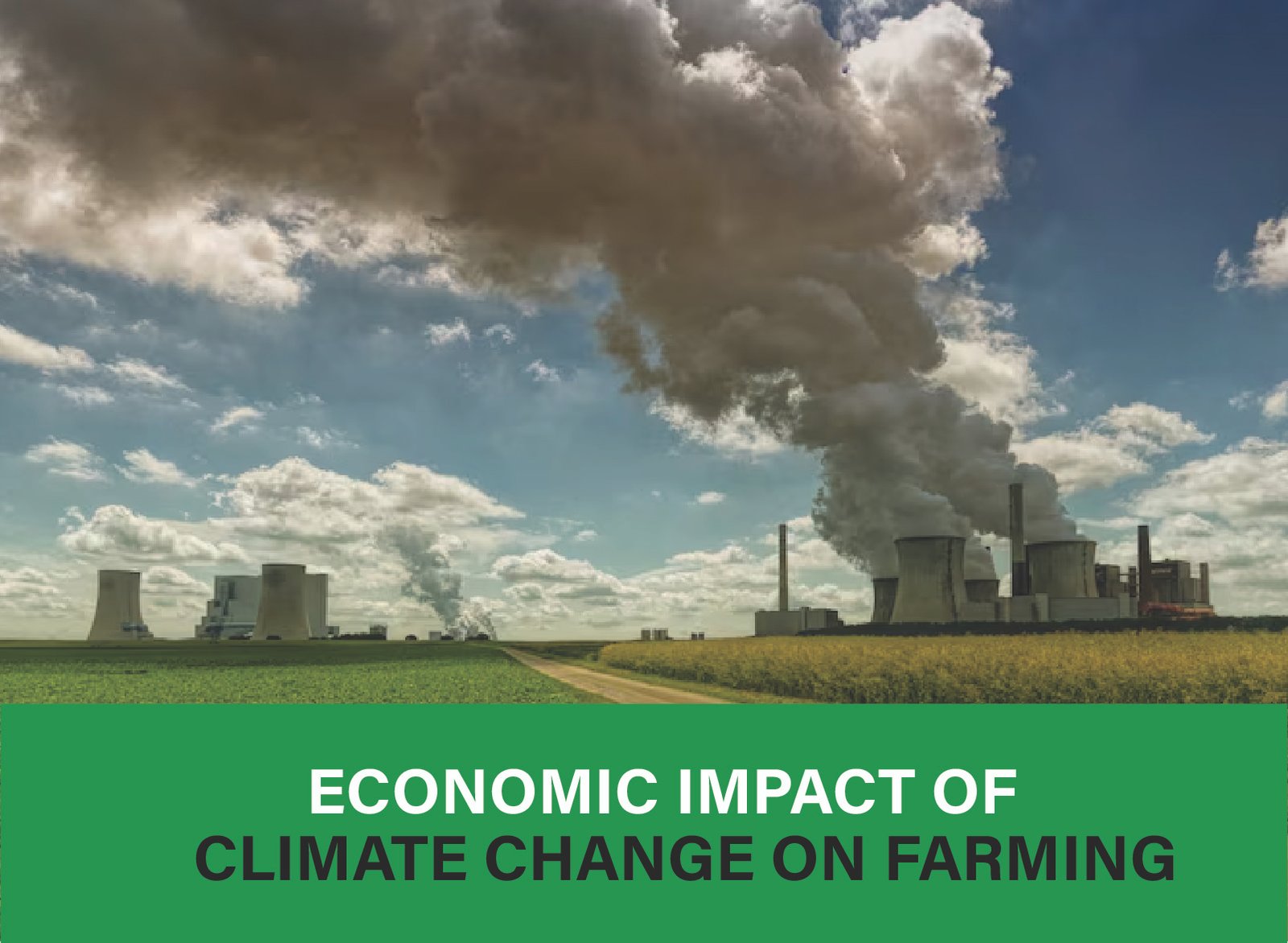
Major economic difficulties impact of climate change on farming community because climate change on farming disrupts worldwide agricultural activities. The natural ecosystem suffers disturbances from weather pattern changes and severe climate conditions together with increased temperatures that reduce growing seasons and decreases crop yields, thus driving up production costs. The modifications in environmental conditions establish dangerous conditions that threaten food stability and, at the same time, jeopardize producers responsible for agriculture throughout the world. Assessing economic consequences created by climate change leads to enhanced development of sustainable food systems and stronger farming practices. The article presents realistic responses to minimize financial and agricultural risks and crop destruction and workforce and market changes. Every farmer and research analyst who works with policymakers can use the guide’s information to develop economic approaches to climate change.
How Climate Change Affects Farm Profitability
Climate change endangers farm profitability when it breaks down basic agricultural components. Unpredictable rain patterns together with extended droughts along with rising temperature levels decrease agricultural yield and raise the chance of complete crop destruction. Excessive costs for farm inputs rise because of these conditions including irrigation systems and fertilizers along with pesticides and insurance premiums. Extreme climate events generate several adverse impacts on farmland because they simultaneously damage soil conditions and make livestock sicker which heightens operational hazards and reduces farm output. Limited economic resources pose the utmost challenge to small-scale farmers because they lack adaptive mechanisms. The prolonged exposure to climate stress results in farming operations becoming unsustainable to the point where both rural economics collapse as well as community adaptation capacity declines.
Reduced Crop Yields
Various factors such as altered rainfall patterns and temperature rise together with severe weather events result in lower crop yields. The acute temperature sensitivity of wheat corn and barley crops exposes them to development complications when minor deviations from optimal growth conditions result in decreased harvest values. The favorable weather from higher temperatures lets plant pests and diseases multiply in numbers thus reducing farming output. Lowered farm production leads to less income for farmers and challenges the ability to supply food markets especially in areas with food scarcity. Farmer sustainability faces potential disruption when climate stressors reduce yield because farmers must develop suitable stress management techniques to sustain their operations.
Increased Input Costs
Higher agricultural production expenses emerge because farmers require enhanced irrigation systems to manage higher pest control expenses and buy fertilizers and crop receptor devices. The extended duration of droughts drives up both energy and water needs of farmers while making them spend more money on weather risk mitigation and uncertainty protection. The management of novel pests together with diseases requires frequent treatments which are costly to implement. Operational expenses continue to rise which causes diminishing profit margins in particular for smallholder farmers because they have limited financial resources at their disposal. Climate-induced expenses continue to grow while existing support programs and resource efficiency strategies fail to keep farms financially sustainable thus making many operations stop operating in the long term.
Soil Degradation
The united effects of flooding during intense seasonal rainfall and dry conditions produce four destructive soil degradation processes including nutrient loss as well as ground compaction as well as degradation of organic matter content. Healthy nutrient-rich soil for successful sustainable agriculture becomes eroded faster by climate change effects before farmers experience decreased soil fertility. Prolonged soil deterioration leads to various detrimental effects which prevent plant growth so farmers must obtain extra fertilizer while operating at lower farm output levels. Recovering soil health to ordinary levels demands substantial time together with monetary costs since farming operations must work with limited production while paying elevated operational expenses in their effort to rehabilitate degraded lands. Depleted soil creates two severe problems: it lowers upcoming income while simultaneously decreasing the ability of agriculture to endure over time.
Livestock Health Issues
Hay livestock health declines because of severe heat occurrences and changing climate alongside insufficient water supply creating stress from heat and weakened food availability that results in disease transmission. Heat stress affects livestock consumption of resources and prohibits their production output of milk and weight gain yet it increases population mortality rates. Agricultural improvement costs include fundamental cooling systems and additional veterinary support along with robust shelter structures needed to safeguard herds’ physical health. The combined impact of supplementary expenses alongside productivity decreases generates economic decline in livestock farming profitability. Animal welfare needs create substantial operational threats for farms when financial profit challenges emerge.
Increased Crop Failure Risk
Extended periods with drought conditions followed by excessive rainfall can cause complete or partial crop failure until it results in total or partial crop loss. Planting schedules are troubled by unpredictable weather conditions which creates problems for farmers to handle spending and construct financial strategies. One failed growing season leads to immediate financial destruction of farmers alongside their destruction of their agricultural venture. These regions face severe impacts because insurance crop support is scarce and emergency relief funds are also scarce. One or more crop failures drag farms into debt when food crops run short and agricultural-based economies fail to stabilize.
Regional and Crop-Specific Economic Impacts
Climate change affects each farm property in a different magnitude. Climate patterns and soil characteristics and which crops farmers plant establish mechanisms that result in some farm regions experiencing greater negative consequences than others. The tropical farming zones have both abnormally hot climate patterns and irregular rain patterns that lead to major yield reductions and higher production costs. Producers of coffee and grapes encounter severe complications due to minor climate changes because millet and sorghum demonstrate strong resistance against climate shifts. The variations in weather patterns affect schedule timings for harvests leading to inconsistent supply-demand behavior throughout the market system. Local financial stability declines because market instability and decreased profits result from volatile market conditions.
Tropical vs Temperate Regions
Tropical regions suffer worse impacts from climate changes primarily because their initial warmer temperatures coupled with irregular rainfall patterns produce crop stress leading to shortened growing seasons and decreased outputs besides attracting more pests to fields. Because temperate regions now experience unpredictable cold spells and powerful heat events, their recently acquired extended planting seasons along with new cultivation options have become short-lived benefits. The farmers who reside in tropical climate zones encounter more severe financial challenges and food insecurity while facing diminished resource availability than other farming communities. The significant difference in environmental conditions makes the area need local adaptation strategies that specifically match regional needs.
High-Value Crops Sensitivity
Specific high-value agricultural crops like coffee together with grapes and citrus fruits need exact climate environments but remain sensitive to temperature changes and fluctuations in humidity and rainfall attitudes. Changes in environmental parameters that remain slight result in significant reductions of quality along with taste quality and marketability and export capability. Success with wine grapes depends on precise environmental factors to produce premium wine thus causing significant profit declines during unfavorable environmental conditions. Farmers need to select between transferring their farmland or purchasing climate-enduring plant breeds with costly protection tools to grow their crops. High-value crops maintain their sensitive state due to which they easily suffer financial impacts as a result of climate change effects.
Staple Crops Resilience
The three cereal crops rice and millet together with sorghum show stronger resistance against both climate alterations and their functional impacts. Through adaptation these crops gained survival features that enable farming among extreme soil situations alongside heatwaves and dry spells in harsh environments. The resistance of outdoor crops against climate change on farming damage establishes financial stability for farmers working in risky weather areas during extreme conditions. Governments work together with organizations to establish these crops among their essential food security protocols. Farmers who develop superior breeding and agricultural management techniques for better crop production will remain safer from financial impact arising from climate changes.
Climate-Dependent Harvest Seasons
The modification of temperature and rainfall creates challenges to planting and harvesting schedules that result in operational difficulties and economic crises about logistics. Once producers do their harvesting at the wrong times, they miss out on business opportunities together with poor crop quality. The delay in securing seasonal workers at critical times increases Labor expenses severely because delayed harvests force farmers to run multiple farming activities simultaneously. Supply chain management becomes challenging due to varied environmental conditions because prices become uncertain and delivery commitments become harder to fulfill. Entrepreneurs face rising challenges in maintaining market deals since farms need precise delivery schedules for their output. Premium-quality product delivery commitments based on specific timing requirements create substantial financial dangers for farms working with such agreed delivery systems.
Local Market Volatility
Fast shifts in supply resulting from climate disruptions cause markets to exhibit either rising or falling prices. The decline in food availability because of unfavorable weather leads to rising food costs beyond poor residents can pay. Surplus supply throughout the market emerges when farmers unexpectedly harvest more than expected and this decreases market prices and reduces producer revenue. The unpredictable market situation makes it difficult to create financial plans and make future investments. Unstable food security arises from secondary effects that lead countries to depend on imports thus raising doubts about their self-sufficiency in food production and their agricultural marketplace strength.
Labor and Workforce Implications
Changes in climate impact environmental resources directly and also control agricultural labor worker availability and their productivity levels. The dangerous physical work requirements and environmental conditions produce workforce risks and further diminish rural labor suitability as well as make these areas more vulnerable. Environmental challenges drive the development of critical labor scarcities while worker health declines and increased absence results in people leaving rural territories for urban locations. If farms cannot compensate for understaffing they can either raise their employees’ pay rates or invest in automated equipment or use their budgets for worker skills enhancement initiatives. Operating sustainability in farming requires proper labor market management which influences employee retention capabilities.
Heat Stress on Workers
The increased temperatures from climate change on farming lead to substantial negative impacts upon farm workers. Workers fail to maintain meaningful work hours throughout the day because of severe heat exposure during prolonged workdays which causes diminished work productivity. Heat-stressed workers experience both fatigue symptoms and dehydration and heat-related sickness which compels them to spend more time away from work. Workers who remain in their place of work encounter elevated instances of health problems. The high thermal conditions primarily damage farm working people’s health status and disrupts ongoing operation schedules and reduces yield production of harvested crops. Farms must build heat safety programs consisting of shaded workspaces and hydrated employee systems and shiftable employee hours to maintain agricultural workforce effectiveness and protect farm employees from heat-related mishaps resulting from climate warming.
Migration Trends
Rural workers choose to move between urban centers and other locations because of climate-induced economic instabilities and declining agricultural production rates. During planting and harvesting seasons agricultural business operations suffer because of the shortage of workers either temporarily or throughout entire periods. Skilled agricultural workers move away from their home territories after negative droughts and flooding damage leads to job openings in farming. States that when farm workers leave their jobs their poor available work choices frequently push them to utilize inexperienced and impermanent personnel. Climate change leads to industry modifications that create complex problems for farm operations together with worker training programs yet simultaneously decreases worker availability in agricultural areas.
Increased Labor Costs
The worsening working environment in agriculture will force farms to enhance employee pay levels and improve workplace benefits for maintaining their existing manpower. Farmer workers expect pay increases since climate change on farming makes their work both hazardous and unpredictable due to heat stress which augments their physical risks at work. Farm operations experience elevated labor expenses because the increased wages need to be obtained by decreasing profit margins and limited profitability potential. The dual challenge of workplace competition and climatic conditions makes farmers choose between business restructuring or additional housing expenses which results in direct impacts on their enterprise sustainability and profitability levels.
Mechanization as a Response
The implementation of mechanical systems and automation by farms occurs because both labor availability and adverse working environments represent critical issues. Farming equipment that uses automated harvester functions with irrigation systems powered by drones allows farmers to carry out work independently when personnel is not available during peak harvest season. The implementation of these technologies provides long-term operational efficiency as well as stable output during climate-stressed conditions at the expense of high initial capital deployment costs. Mechanical farm equipment gives farmers control over labor-related risks while enabling them to improve their production levels. Small-scale farming operations face obstacles from adopting automated procedures because they require complete organizational strategies combined with technological expertise as well as large funding expenses. Labor-related climate impacts can find a solution through this strategy which serves as a long-term adjustment method.
Education and Training Needs
Existing climate changes force farm employees to receive updated training for deploying climate-smart farming methods. The sustainable farming methods combine weather-resistant organic crops that use precision equipment controlled by environment-friendly pest management systems to operate irrigation technology. To adopt modern farming techniques and maintain optimal workplace output through various conditions workers require combined education-based training with agricultural extension services. The economic value of education appears when it solves employment shortages created by workers moving away and by mechanical processes being used. Farms become less reliable to run effectively and productivity decreases when workers receive inadequate training. The implementation of climate-resilient farming systems requires laborers to acquire both tools and proper knowledge to achieve sustainability in the long term.
Financial Risks and Investment Barriers
Climate vagaries create substantial financial challenges for farmers which inhibit their capacity to acquire investments while they face hurdles in obtaining credit together with the cost of insurance. Farm fields become less productive due to erratic weather patterns which create difficulties for financial planners to make accurate predictions. Lenders increase their caution when making decisions thus leading to escalated insurance premiums. Climate change-induced yield unpredictability discourages investors to invest in agricultural areas that experience the worst impact of climate change on farming. To obtain financing farmers must overcome financial barriers by implementing strategic plans with necessary adaptations while receiving external support to operate in the present and preserve farming longevity.
Declining Farm Creditworthiness
Farmers lose their capacity to produce reliable crop yields because weather patterns have become harder to predict because of environmental changes. Farmers find it increasingly difficult to repay loans and maintain credit obligations when uncertainty prevails which requires a deterioration of their financial standing. Finance institutions detect elevated risk levels which prompts them to implement tougher lending standards alongside granted terms that are beneficial to farmers. Essential funding becomes restricted through this situation which prevents farmers from acquiring necessary tools and technologies they need to adapt against climate change on farming and achieve sustainable long-term profitability.
High Insurance Premiums
Climate-related occurrences such as floods together with droughts and wildfires become increasingly frequent along with growing severity. The increased occurrence of climate-related events results in greater insurance claims which drives insurance companies to increase premium rates for farmers who want coverage against weather-related perils. Insurance companies have started to increase premium costs because of their elevated exposure to potential risks. Joins in a financial crunch because of raised insurance premiums which primarily affect vulnerable farmers in exposed regions. The additional insurance costs create financial planning challenges that reduce farms’ ability to fund crucial investments thus slowing down their pollution adaptation programs.
Investment Risk Aversion
The high levels of risk in climate-change affected agricultural regions discourage institutional investors from providing funding for such projects. The combination of unreliable agriculture outputs with possible weather tragedies and rising operational spending makes high-risk farming zones exceptionally risky. The search for stable returns by investors coupled with increased climate-related risks makes farming operations in risky areas less appealing. Elements of climate change on farming uncertainty make it difficult for farmers in vulnerable regions to secure investment needed for growth and development of sustainable operations thereby reducing their ability to adapt to climate change on farming risks.
Limited Government Support
Many farmers struggle to obtain appropriate agricultural subsidies as the government provides insufficient aid during times of climate-induced difficulties. The delay of government policies pertaining to climate crisis scales generates a disadvantage for farmers who lack critical financial help or protective measures. The delay of relief programs alongside inadequate disaster aid and limited long-term adaptive solutions causes farmers to face acute economic problems when attempting recovery from their losses. The government needs to establish stronger proactive programs which assist farmers against climate change risks as these risks evolve.
Costly Adaptation Technologies
The future survival of farms in climate-change areas depends on implementing these specific technologies which include dry-tolerant crops and advanced irrigation technology and precise agricultural equipment. Small-scale farmers face challenges when making initial investments to acquire these technologies because the costs are moderate to high. Numerous farmers lack financial support together with budget constraints that prevent them from purchasing adaptations their farms need to survive. The high costs of implementing adaptation strategies keep farmers from preventing climate change on farming impacts thus making it difficult to sustain their business and secure their income.
Strategies for Economic Adaptation in Farming
Ecological farming methods provide farmers with proactive solutions for reducing climate change-related financial losses in their operations. The adoption of sustainability-based farming practices gives farmers two benefits: risk reduction and long-term operational success. Farmers adopt two key adaptation strategies which are crop and practice diversification together with early warning systems and the utilization of government programs and NGO assistance. Farmers benefit from these implemented strategies because they receive environmental protection as well as protection against weather pattern uncertainties along with market disruptions which leads to long-term operational stability.
Climate-Smart Agriculture
The practice of CSA (Climate-Smart Agriculture) consists of sustainable approaches to increase agricultural yield through methods that build climate resistance. ctic farming practices consist of two methods: crop rotation allows soil fertility preservation and no-till cultivation helps protect land from erosion and succeeds in water conservation. The method of CSA provides farmers with water management practices to collect rainwater and deliver it through drip irrigation systems in order to minimize water consumption and produce predictable harvests during dry periods. The combined agricultural practices allow farmers to react to changing environmental patterns while securing their land’s future sustainability which in turn minimizes their financial exposure.
Diversification of Crops
Farmers must practice crop diversity as one of the fundamental approaches to shield agricultural operations from climate-based danger exposures. When farmers cultivate diverse crops it allows them to distribute economic risks which result from climate change on farming events. The resistance levels of crops vary because each crop responds differently to dry conditions and temperature alterations and pest infestations. A farm’s income stability improves when one crop suffers from extreme weather because different plant species may withstand the conditions successfully. Multi-farming cultivation provides farmers with multiple market access points which decreases their economic dependence on a single agricultural product and enhances their monetary stability. These practices deliver great advantages to areas with crops who face dramatic climate changes.
Early Warning Systems
Weather monitoring tools and climate prediction models integrated within early warning systems help producers obtain beneficial forecasts about climate conditions ahead of time. Through these warning systems farmers obtain advanced notices about the likelihood of intense weather occurrences which enables them to create preventive measures. Farmer readiness before a crisis enables them to prevent crop harm or schedule appropriate harvest timing which minimizes losses. Modern agricultural technologies enable farmers to preserve resources and achieve better decisions which results in sustainable farming operations under conditions of changing weather patterns.
Government and NGO Support
Government agencies together with NGOs act as fundamental partners for providing support to farmers who need to adapt to changes in climate. Organizations tender financial assistance and manage training initiatives with infrastructure development to decrease farming costs. Alliance between authorities and subsidies directed toward climate-adapted crops as well as drought-tolerant seeds and sustainable agricultural approaches reduces overall adaptation expenses. NGO services include agricultural training on climate adaptation practices along with market connections to farmers as well as technical assistance services. Through their support with resources along with collaborative efforts government and NGO institutions enable farmers to maintain their success despite climate-based problems.
Local Market Integration
The integration of nearby markets into farming business operations proves to be a powerful risk reduction technique. Local sales channels should receive farmers’ attention as they create stable monetary inflow which remains secure throughout market uncertainty. Companies operating through food cooperatives and local consumers maintain pricing control over volatile international markets through their direct sales. Locational market integration helps farmers build loyal community engagement which enhances their farm resistance capabilities. The approach enables farmers to construct sustainable profitable enterprises which then promote local food systems.
Conclusion:
Climate change on farming generates various economic impacts on farms that influence production levels and business expenditures together with labor force and capital asset valuation. Such projects will reach success through execution of experimental methods alongside local knowledge along with government backing. The evaluation of economic boundaries by stakeholders enables them to select appropriate choices for establishing climate-change resistant agricultural fields. Current agricultural excellence requires fast climate adaptation solutions together with speculative financial strategies to protect farming operations from climate changes.
Now is the time to act. Farmers need to collaborate with government officials together with national agricultural organizations for developing sustainable climate-resilient systems which will secure farm revenue in upcoming periods. This method will assist in evaluating both risks and sustainable approach sessions when testing novel farming methods. The economic survival of your farm—and global food security—depends on your readiness. Start building resilience today.
FAQs
-
How does climate change on farming to reduce farm income?
Enough crop losses and escalating agricultural expenditure levels and inconsistent output rates decrease farm revenue levels.
-
What crops are most affected by climate change?
Temperature-sensitive crops together with luxury agricultural products show the most risk under current climate changes.
-
Can small farms adapt to climate change on farming?
Small farms deploy climate-smart practices through local market integration and support programs because they possess three main enabling elements.
-
How does climate change on farming affect farm labor?
Staff migration alongside harsh working environments leads to labor deficits which drives up costs of employment.
-
Is crop insurance effective against climate risks?
The increased pricing of insurance pins makes them ineffective in financial planning as they lose their value as a tool.
-
What financial support is available to farmers?
Public organizations build climate resilience through financial incentives alongside technological grants and financial support programs.
-
How can technology help mitigate economic losses?
When drought-tolerant seeds merge with standard agricultural practices through farming automation systems the result is profitable and safer operations for agricultural businesses.
-
What is climate-smart agriculture?
The database features adaptive conservation methods as well as efficient irrigation systems and diversified crop cultivation programs among its elements.

Successful agricultural businesses require understanding the proper way to examine financial documents in the farm industry. The financial reports disclose the entire financial status of your farm by presenting income records along with expenses and assets, and liabilities, which enables you to make strategic decisions. Regular assessments of financial statements by all farmers help them maintain their financial path. This guide tells readers essential financial analysis factors for farms and demonstrates interpretation methods that enhance budgeting and business planning, and profit supervision.
Understand the Basics of Farm Financial Statements
Knowing basic information about farm financial statement sections, along with their operational tasks, is essential for studying financial analysis. The documents provide information about your farm’s associated time-based financial position, combined with performance indicators and cash flow data. The management of farm financial statements requires four main statements, which combine the balance sheet with the income statement and cash flow statement, along with the statement of owner’s equity. Financial statements provide distinct essential information supporting decision-making including asset reports with profitability measurement and liquidity measurements. Financial statement reading serves as the first necessary skill to identify business strengths and financial risks before developing sustainable development plans.
Balance Sheet Overview
Business owners can understand their farm’s financial health conditions through balance sheet information which shows its current state. The balance sheet reveals every asset from equipment through land and inventory while providing detailed listing of liabilities from loans to unpaid bills. The value of your farm results from subtracting total liabilities from all assets. Regular balance sheet evaluations enable you to observe business expansion along with liability management and financing opportunities assessment. The distribution of your resources becomes visible through this financial report which enables you to determine strategic investment opportunities or measure operation growth capabilities properly.
Income Statement Essentials
The profit and loss statement which is also known as the income statement gathers all revenue and expense activities performed on your farm during a defined difficulty period of monthly, quarterly or annual length. The income statement reveals if your agricultural business creates profit or faces losses. This specific examination of your statement allows you to both assess production strategy effectiveness and detect cost overruns which enable data-led decisions for profit improvement. Inconsistently reviewing your income statement allows you to forecast your tax responsibilities and monitor your financial objective attainment.
Cash Flow Statement Importance
A farm business cash flow statement reveals every financial movement of cash throughout its operations. The cash flow report tracks only cash-based transactions as it differs from the income statement that requires non cash item consideration. The statement shows the level of available cash enough to pay your daily running costs and both debt payments and unexpected financial needs. Positive cash flow demonstrates that your farm operates successfully on its own while negative cash flow detects financial difficulties in your operation. The statement enables you to handle your business liquidity effectively by preventing shortages and making prompt decisions.
Statement of Owner’s Equity
The statement of owner’s equity tracks all changes that affect your farm equity throughout a particular time period. You have incorporated all your business investments and retained earnings together with net income and withdrawals into this document. The document reveals investment strategies for farm earnings and reveals value changes of your farm assets. This statement supplies essential data to follow ownership value changes throughout time which helps owners plan successful business growth and future transitions. The information helps lenders determine how secure and sustainable your operation remains throughout time periods.
Accrual vs Cash Accounting
A correct financial analysis requires knowing whether your farm maintains accrual or cash accounting procedures. A cash-based accounting system records business activities only at the specific points of money movement and provides immediate visibility into enterprise funds. Under accrual accounting systems expenses and income get recorded during earning or charging occurrences instead of payment transactions. The profitability assessment becomes more exact with this method yet it needs advanced tracking systems. The system you use determines how you should read financial statements and plan with improved confidence.
Evaluate Farm Profitability
To know your agricultural business’s fiscal viability you need to measure how profitable your farm operations really are. The evaluation produces results that show whether income levels surpass costs allowing you to understand your financial results. You review net farm income together with profit margins and revenue sources as well as the financial ratios such as return on assets (ROA). Studying short and long-term earnings patterns enables you to pinpoint operational advantages alongside fixing performance issues which then helps you choose wiser operational options. You can keep your farming operation competitive and maintain steady financial performance through systematic checks which let you refine strategies while improving money flow in the current competitive agricultural market.
Calculate Net Farm Income
The financial fitness of your farming operation depends highly on net farm income measurement. Net income emerges from the total revenue after subtracting every expense needed to run and operate the farm. The calculation involves subtracting all costs related to labor, equipment, seed, feed and utilities from total revenue. The computed figure reveals if your farm either makes profits or incurs financial losses. Your cooperative business needs to understand its net income because it serves as the base for budget planning, debt management and strategic investment decisions. The financial indicator allows you to have productive conversations with both lenders and financial advisors because it displays your operational performance results clearly.
Compare Gross vs Net Profit Margins
Employing gross and net profit margin analysis reveals the operational efficiency with which farms convert their revenues into profits and net earnings. The gross profit margin computation involves taking COGS away from total revenue followed by a revenue division operation. Net profit margin, on the other hand, accounts for all operating expenses. Using both figures allows you to identify spending locations and optimize operational effectiveness. Effective cost control is indicated when gross margin exceeds net margin but when these margins are close in value it suggests operational or overhead issues need attention. The evaluation process for these metrics helps organizations make sound financial choices.
Analyze Revenue Streams
Your business’ profit stability depends on how well you understand the different sources of its revenue. To evaluate revenue streams you need to separate each income source such as crops, livestock, dairy, agri-tourism and custom work. Studying these segments demonstrates which income streams produce the most profit and which need possible revisions. Your business will achieve financial stability through income diversity because it minimizes the impact of changing market conditions or unpredictable harvest outcomes. Monitoring revenue streams enables organizations to develop better strategies and develop exact financial budgets while making specific investments that yield high returns. Businesses that monitor all types of income achieve better risk management while assuring their sustainability for the long run.
Measure Return on Assets (ROA)
The Return on Assets calculation shows how effectively your farm capital becomes profitable. ROA represents the percentage of net income in relation to total assets. The ratio is created through division of net income by total assets. The efficiency of business operations increases when ROA ratios reach higher levels. Capital-intensive farm operations require this measurement because their profit depends considerably on land acquisitions together with equipment along with infrastructure assets. A return on asset analysis enables you to compare your financial operations with peer farms as well as helps make decisions about asset utilization levels. Time-based tracking of ROA detects operational patterns that assist in developing productivity improvement measures and detecting superfluous asset commitments.
Monitor Trends over Time
A long-term evaluation of financial success between consecutive years guides your evaluation of farm health. Your analysis of financial changes in revenue and spending patterns and profit margins together with significant ratios will show you both successes within your operations and areas that need improvement. Are profits increasing or decreasing? The speed at which input costs grow currently surpasses that of revenue growth. Early identification of patterns permits you to make beneficial decisions which reduce waste and maintain profitability. Your ability to track market direction improves your company structure alongside goal development and ensures readiness when discussing with lenders or investors. The routine practice of tracking farm finances allows you to take control of operations instead of responding only after things happen.
Assess Liquidity and Cash Flow
The proper assessment of cash flow with liquidity values enables you to determine your farm’s capability to fulfill term obligations and operate normally. Farms possessing healthy liquidity maintain enough available resources to fulfill their daily expenses together with loan requirements and unanticipated costs. Monitoring cash flow statements together with current ratios and debt obligations enables you to supervise your financial conditions in advance. Following how income and expenses change throughout seasons lets you avoid shortages and monthly projections enable you to achieve timely decisions. An organization requires effective liquidity management to maintain operational stability while avoiding situations that force them to take emergency credit or loans.
Review Operating Cash Flow
Your farm generates operating cash flow from the normal activities of sales involving crops or livestock. Operating cash flow presents actual cashflow information because it excludes non-cash transactions whereas net income embraces both cash and non-cash transaction items. The metric allows farm owners to check the operational sustainability and determine how much available cash exists to reinvest while meeting payments and funding emergency situations. The act of frequent tracking allows you to identify possible cash deficits in advance to implement recovery measures. Core farming activities of the farm reveal profitability and stability through positive and strong operating cash flow.
Calculate Current Ratio
Many businesses use the current ratio because it provides a strong snapshot of their short-term financial position. The calculation of this ratio consists of dividing current assets by current liabilities which include both bills and upcoming loan payments under one year. The existence of greater farm assets than liabilities proves that the business can successfully pay off its short-term financial responsibilities. When the ratio remains below 1 it indicates possible liquidity problems that might cause delayed payments and credit difficulties. Tracking this indicator stands as a vital tool that protects your operations from sudden financial difficulties throughout seasonal changes and money scarcity periods.
Examine Loan Payments and Interest
The proper assessment of loans with interest expenses serves as a necessary step for farm cash flow management. The debt schedule should get frequent checks to confirm ongoing capability of income for maintaining principal along with interest payments. Your business experiences resource depletion when you use elevated debt payment expenses to pay loans as buying power gets limited during budget flexibility activities. Requests for loan payment relief may require you to apply for refinancing or restructuring strategies. Managers who handle their debts well can avoid payment mistakes while preserving their credit standing for future financial opportunities. The long-term growth along with financial stress prevention relies on precise planning related to loan payments.
Identify Seasonal Cash Flow Gaps
The agricultural industry creates revenue surges all at once which collide with elevated operating costs. The identification of seasonal fluctuations in cash flow needs careful attention because it enables sustained liquidity during each annual cycle. The cycle of income increases during harvest does not match when the expenses for seed and fertilizer and equipment maintenance payments accumulate. Your awareness of this cyclic pattern enables you to make financial arrangements including saving and obtaining temporary funding for closing gaps. Businesses can optimize their expenses and investments as well as strategic buying and labor scheduling by using seasonal data that prevents cash flow problems across crucial operational periods while maintaining constant operations.
Use Monthly Cash Flow Projections
Regular projections of cash flow at monthly intervals enable farmers to observe future financial conditions of their farm in a detailed manner. Your monthly forecasts of profits and costs will let you detect fund shortages or excess before taking immediate corrective measures. The forecasting process must incorporate historical information and market situation and operational changes as well as information about seasonal patterns. Updated forecasts enable better choices and enable better responses to unexpected costs and enhance your relationships with lenders and partners. Reaching financial stability depends on monthly projections which guide your farm operations throughout the month.
Analyze Farm Solvency and Debt Structure
To determine long-term financial stability of your farm it is essential to understand its solvency status. The examination of solvency determines if your farm will sustainably handle its debts across extended periods. The method requires examining the entire balance between assets and equity and liabilities. Through debt structure evaluations and calculation of essential ratios you become able to detect potential risks which allows you to improve your borrowing processes for future investment planning. Sufficient solvency strength brings calmness to your farm debt providers as well as gives your business stability during difficult economic times and price market fluctuations.
Debt-to-Asset Ratio
Your debt-to-asset ratio displays the percentage of all farm assets which come from debt financing. To determine this ratio one divides the total amount of liabilities by all the assets within the business. Your farm faces high financial risks when it depends heavily on borrowed funds because low income or rising interest rates make debt more challenging to manage. The financial strength of a business operation increases when owner equity exceeds total debt. The ability to watch this ratio protects your farm by achieving debt-owner balance while guaranteeing your future access to credit opportunities and investments.
Equity-to-Asset Ratio
This financial ratio reveals the level of your farm’s assets that stem from your investment capital compared to borrowed assets. Owner’s equity divided by total assets provides the calculation for this ratio. Better financial stability emerges when debt levels are low in relation to assets which benefits lenders together with investors. The ratio helps investors understand your farm’s capability to survive difficult times without bankruptcy. A high ratio helps your operation maintain control and flexibility under challenging situations or during the process of seeking funding.
Evaluate Loan Terms
Reviewing your loan agreements will help you attain growth opportunities by preventing your farm from becoming excessively indebted. Analyze both the interest costs and repayment timing together with any temporary interest-free periods and complete expenses of different loan options. The advantages of favorable lending conditions produce improved financial cash flows which in turn reduce ongoing economic stress. Understand the benefits between fixed-rate and variable-rate loans as you research government-supported and agricultural loan initiatives that might offer preferable terms. Proactive evaluation of your loans followed by negotiation activities generates savings benefits alongside strengthened operational business stability. The evaluation of existing loan arrangements enables farmers to find ways for debt reorganization that enhances financial output.
Debt Coverage Ratio
Your farm’s debt payment coverage capability depends on the debt coverage ratio calculation. You can determine this ratio through net operating income that is divided by total debt service (principal and interest payments). Financial strength exists when your income levels surpass your debt payments since the ratio stands above 1. When your ratio remains less than 1 you are at risk of being unable to maintain loan payments so you need to explore both cash flow management and financial sources. The financial institution uses this metric as their key measure when determining loan eligibility and your business should monitor this figure to retain a stable financial condition.
Refinance High-Interest Loans
Higher solvency emerges from loan refinancing when you lower both payment amounts and pay less interest during the loan period. The released cash stream provides the farming operation with money for investment purposes or both short-term needs and operational expenses. Look into refinancing options whenever interest rates decrease as well as when your credit stands stronger than before and newer terms appear in the market. Look for lending organizations specialized in agricultural operations which offer payment term flexibility to borrowers. Your farm will gain financial strength with enhanced growth potential through refinancing even though it requires administrative fees and prepares paperwork because the eventual savings produce better cash flow.
Use Financial Data for Better Decision-Making
Multiple financial metrics serve businesses as an instrumental approach to increase both profitability and sustainability on agricultural operations. Realistic farm strategies emerge when insights derived from financial statements of your operation serve as the basis to optimize operations, make informed decisions and achieve long-term success. An ongoing review of financial reports enables you to find new ways which boost earnings along with minimizing costs while enhancing operational productivity. chíce decision-making enabled by data allows you to distribute resources properly while setting achievable targets and controlling threats which results in smooth long-term farm operations and profitable performance.
Identify Underperforming Enterprises
The analysis of financial business data enables you to detect unprofitable business units including agricultural crops or livestock which yield below expected returns. Observing the monetary flows of multiple segments permits you to detect operational segments showing either excessive costs or insufficient yields. You can make strategic changes through inefficient activity identification since these enable either profitable activity reallocation or operational enhancement. The use of data leads to a maximum rate of farm profit through the elimination of unproductive enterprises or their optimization to minimize losses and boost operational efficiency.
Adjust Input Costs
Businesses require input cost evaluation and modification to safeguard their profitability levels. A financial data analysis helps determine which expenses are directed toward seeds and fertilizer and human labor and fuel purchases. Identify cost-reducing possibilities which do not affect product quality and production levels. Farmers can enhance their business profitability through package purchases with suppliers and technological improvements that minimize resource requirements. Effective input cost management brings sustained business success to farms through stable operations because it keeps competitive prices despite market changes and raw material price hikes.
Create Budgets Based on Past Trends
Financial budget forecasting gets its bases from past financial records to establish credible performance targets and aims. The analysis of past financial data allows businesses to understand both revenue changes and expense patterns and seasonal variations so they can develop budgets which represent actual farm conditions. The analysis of historical data enables projections of revenue and costs to create preparations for upcoming challenges and better resource management and adequate cash flow throughout the year. The method helps you modify your budget throughout the year when new information emerges by maintaining financial plans which stay true to reality.
Plan Capital Investments Wisely
The analysis of financial data enables organizations to wisely invest capital through decisions for acquiring equipment together with expansion of land bases or infrastructure upgrades. You can determine your investment readiness by studying financial documents to decide between internal spending or external borrowing needs. Analyzing both investment returns and how operations will flow in the future helps confirm that new investments will enable farm sustainability while boosting expansion prospects. Financial data should be used to select the most efficient essential investments which match with established long-term goals rather than making spontaneous purchases.
Prepare for Financial Reviews or Loans
Financial institutions need correct documentation of financial data that is structured properly to perform loan approvals or financial inspections. Lenders as well as investors need farm financial statements that show how profitable and solvent the operation is with sufficient cash flow. Your opportunity to obtain advantageous loan terms and investment rises because modern financial records combined with organized data. Financial reviews conducted on a periodic basis let you detect issues ahead of time so you can handle them before asking for funding. Lenders trust farms that demonstrate financial stability through reliable business records because such farms show they understand future growth requirements.
Conclusion
A farm financial statement analysis represents a vital method to enhance business performance while minimizing risks and improving overall business choices. The combination of routine analyses and suitable tools enables your farm to stay prosperous in the long run.
Improving your farm’s financial condition is achievable with proper examination of financial statements. Your analysis should begin immediately through using the download of our free worksheet or attempting a budgeting tool for your farm financial statements today.
FAQs
-
What are the key farm financial statements?
A farm maintains four essential financial statements including the balance sheet, income statement, cash flow statement together with the owner’s equity statement.
-
Why is financial analysis important for farmers?
Analyzing financial statements enables successful tracking of business profit while helping farmers both manage risks and make better planning choices and investment decisions.
-
Should I evaluate my farm financial statements the number of times per year?
Farm financial statements should get analyzed at minimum four times per year although detailed annual reviews must happen for budgeting and tax needs.
-
What’s the difference between cash and accrual accounting?
Under cash accounting methods transactions become recorded when money physically moves between parties but accrual accounting requires recording transactions at earning or incurring points.
-
Whose assistance do I need to determine net farm income?
To calculate net income an owner must divide total revenue by total expenses during the period under study.
-
What is a good debt-to-asset ratio for a farm?
The debt-to-asset ratio should stay beneath 0.50 to show that less than half of farm assets have debt financing.
-
What tools can help with farm financial statements analysis?
The accounting tools consist of Farm Books together with QuickBooks and Excel and the ag-specific applications AgPlan or FINPACK.
-
Can financial analysis help me get a loan?
Providing accurate financial statements together with details enhances farmers’ chances of winning lenders’ trust.

How to Apply Farm Economics in Everyday Decision Making

Risk Management Tips for Farm Businesses

Financial Planning Strategies for Agriculture

How to Calculate Farm Production Costs

Economic Planning for Long-Term Farm Sustainability

Importance of Record Keeping in Farm Economics

Ways to Improve Financial Efficiency in Farming

How to Reduce Farm Expenses and Increase Income

Best Farm Budgeting Techniques for New Farmers

How to Create a Farm Business Plan

How to Maximize Profit in Small-Scale Farming

Economic Impact of Climate Change on Farming

How to Analyze Farm Financial Statements

Agricultural Cost Management Techniques for Farmers

Economic Factors Affecting Farm Productivity

How to Reduce Farming Cost with Economic Strategies

Understanding Supply and Demand in Agriculture

Agricultural Economics Strategies for Sustainable Farming

How to Improve Farm Profitability Through Economics

Best Agricultural Economics Tips for Small Farmers
Understanding Supply and Demand in Agriculture
Agricultural Cost Management Techniques for Farmers
Economic Factors Affecting Farm Productivity
How to Reduce Farming Cost with Economic Strategies
How to Maximize Profit in Small-Scale Farming
Financial Planning Strategies for Agriculture
Best Farm Budgeting Techniques for New Farmers
How to Improve Farm Profitability Through Economics
Agricultural Economics Strategies for Sustainable Farming
Best Agricultural Economics Tips for Small Farmers
How to Apply Farm Economics in Everyday Decision Making
Importance of Record Keeping in Farm Economics
How to Analyze Farm Financial Statements
Economic Impact of Climate Change on Farming
How to Create a Farm Business Plan
How to Reduce Farm Expenses and Increase Income
How to Calculate Farm Production Costs
Risk Management Tips for Farm Businesses
Ways to Improve Financial Efficiency in Farming
Economic Planning for Long-Term Farm Sustainability
How to Apply Farm Economics in Everyday Decision Making
Risk Management Tips for Farm Businesses
Financial Planning Strategies for Agriculture
How to Calculate Farm Production Costs
Economic Planning for Long-Term Farm Sustainability
Importance of Record Keeping in Farm Economics
Ways to Improve Financial Efficiency in Farming
How to Reduce Farm Expenses and Increase Income
Best Farm Budgeting Techniques for New Farmers
How to Create a Farm Business Plan
How to Maximize Profit in Small-Scale Farming
Economic Impact of Climate Change on Farming
How to Analyze Farm Financial Statements
Agricultural Cost Management Techniques for Farmers
Economic Factors Affecting Farm Productivity
How to Reduce Farming Cost with Economic Strategies
Understanding Supply and Demand in Agriculture
Agricultural Economics Strategies for Sustainable Farming
How to Improve Farm Profitability Through Economics
Best Agricultural Economics Tips for Small Farmers
-
 General Agricultural Economics Tips11 months ago
Understanding Supply and Demand in Agriculture
-
 General Agricultural Economics Tips10 months ago
Agricultural Cost Management Techniques for Farmers
-
 General Agricultural Economics Tips11 months ago
How to Reduce Farming Cost with Economic Strategies
-
 General Agricultural Economics Tips10 months ago
How to Maximize Profit in Small-Scale Farming
-
 Farm Management & Budgeting6 months ago
Financial Planning Strategies for Agriculture
-
 Farm Management & Budgeting9 months ago
Best Farm Budgeting Techniques for New Farmers
-
 General Agricultural Economics Tips12 months ago
How to Improve Farm Profitability Through Economics
-
 General Agricultural Economics Tips12 months ago
Agricultural Economics Strategies for Sustainable Farming


