
Farm Management & Budgeting
How to Reduce Farm Expenses and Increase Income


Farmers achieve success through combining successful expense management with revenue development strategies. Farm profits encounter two obstacles from increased farm expenses and market fluctuations, but successful farmers implement appropriate strategies for success. The guide offers practical strategies to decrease operational costs and suggests both modern system implementations and new profitable alternative resources. The financial efficiency methods, including bulk purchasing, equipment sharing, organic practices and value-added products, effectively increase operational efficiency. The combination of various farm operations with digital technology implementations results in increased farm profitability. Farmers who deploy the indicated operational methods will create an agricultural operation resistant to change that brings economic stability and prosperity alongside sustainability.
Smart Cost Management Strategies
Farmer success in business profits depends on effective farm cost control that secures both profitability and industry sustainability. Farmers achieve effective cost reductions through optimised operations with unnecessary expense identification without sacrificing their farming capabilities. Effective decline in farm expenses results from budget planning and bulk input and equipment maintenance purchasing in combination with minimal chemical use. The capital expenditures of farms become lower when they establish resource-sharing connections with adjacent properties. Farmers use cost reduction through these practices to put their savings toward development and innovative initiatives.
Create a Detailed Farm Budget
A full farm budgeting system enables users to monitor added financial costs and numbers to discover their highest operating farm expenses. By analysing financial data regularly, farmers discover ways to allocate resources more effectively, thus they can establish clear financial objectives and anticipate what their future needs will be. Early financial planning initiatives for farms lead to a cost reduction, which generates both leadership strength and financial stability while producing clear data for high profitability outcomes.
Bulk Purchase Inputs
Farmers achieve lower purchasing costs during bulk purchases of seed and fertilizers, along with pesticides, due to both price reductions and shipping savings. Farmer acquisition of inputs through off-season selling months enables them to pay less for their purchases. Execution programs for premium purchases safeguard seed expenses from marketplace price instability that occurs in customer demand surges. The purchases made by farmers and cooperative members through combined agreements help the members achieve better purchasing conditions, leading to reduced overall spending.
Repair Before Replacing Equipment
Operation time lengthens because of fundamental maintenance work, together with quick equipment fixes that affect tools as well as machinery systems. Before maintenance commences, equipment maintenance teams must install component replacements together with addressing brief equipment failures to protect equipment from becoming costly major failures. Multiple preventive maintenance approaches allow farmers to boost their profit, which enables their agricultural work to operate efficiently at key times. Early detection training of employees leads to operational equipment efficiency that eliminates the need to buy new machinery by performing scheduled preventive maintenance.
Share Equipment with Nearby Farmers
Several farmers who combine forces can split the costs of big machinery, including tractors and harvesters, along with irrigation systems and reduce both maintenance farm expenses and equipment acquisition expenses. Pooled equipment costs produce fewer operating farm expenses for participants since they redirect their money toward other farm areas. Successful business operations stem from combined group agreements along with scheduled time boundaries and member decision support. The collaborative way of managing equipment between communities enables stakeholders to access reasonable funding alternatives.
Avoid Overuse of Chemicals
Fertiliser and pesticide application helps in keeping expenses to a minimum and maintaining environmental integrity through conservation of sustainable soil conditions. Proper application distribution becomes possible through soil testing as a prerequisite to integrated pest management. Additional chemical usage produces lower effectiveness along with regulatory problems, while still damaging the goals of chemical application. The connection of tariffed application tools to continuous crop health evaluation allows farmers to reduce chemical usage while maintaining production quality.
Increasing Income Through Diversification
Farmers achieve better revenues and minimise revenue uncertainties by diversifying their agricultural operations. A farm earns more income when farmers create various revenue streams from livestock production combined with specialised crops and an agritourism business model. Through its protective function against market instabilities, the farm can also connect to specialised revenue streams that bring superior returns. Business profits will rise by adding products that provide added value, like homemade preserves and honey, along with personalised creations. Farm diversification creates resilient farms that enable us to respond to environmental change,whether natural or abnormal, and achieve better financial outcomes.
Introduce Value-Added Products
Value addition to raw farm produce through processes like jam-making or sauce-making, or dried fruits will improve profit rates substantially. These marketable products target specific consumer segments because they are available through different sales channels, including farmers’ markets and local stores, and online platforms. The process of value addition both extends product freshness and establishes your farm as a unique brand. These developments create a profit-diversification strategy that minimizes waste while supplying local markets with handmade premium food items.
Start Agri-Tourism Services
The farming industry generates supplemental profits through offering public engagements with actual farm activities. Urban residents and families frequently participate in farm tours, seasonal festivals, petting zoos, and stay experiences at farms. The dual benefits include financial gain and support for local farmers, together with community participation. Strategic marketing alongside safety protocols transforms the Agri-tourism business into a risk-appropriate, highly rewarding cash flow that creates seasonal earnings together with long-term agricultural brand value.
Grow High-Demand Niche Crops
Plants that specialize in organic herbs alongside exotic vegetables or medicinal flowers produce income considerably above conventional farm goods. The special nature of these crops, together with growing health-consciousness among customers, leads them to pay premium prices in domestic markets and export regions. You must perform market research together with limited pilot testing that leads to direct consumer sales to succeed in this market. Your farm expands economically by adding these crops, which strengthens its position against market competition in the farming industry.
Lease Unused Land
Passive revenue can be generated from idle portions of your land by leasing them to others without any need for extra work or property developments. You can enter into lease agreements with farmers, solar enterprises, as well as community-supported gardening groups. The combination of using all available land space effectively allows you to gain steady rental payments. Documentation plus legal agreements maintain both safety and clarity regarding business terms. By leasing agricultural land, business owners can protect their soil’s productivity, thus delivering possible long-term benefits in property value.
Raise Livestock Alongside Crops
The combination of livestock and crop cultivation generates balanced agricultural farming, which feeds the land use efficiently while generating multiple sources of revenue. The livestock produce fertiliser to increase soil quality and lower fertiliser expenses, while crops maintain available land for livestock food or grazing areas. The symbiotic partnership improves natural resource preservation and cuts consumption needs while generating fresh business opportunities in dairy products, as well as eggs and animal meat. A mixed farming system provides farmers with stable income because it offers resilience both when markets change unfavourably and when crop yields end poorly.
Using Technology for Efficiency
The inclusion of technology for use in farming practices greatly improves efficiency, therefore productivity. Precision farming equipment and drones are also some of the automation tools that can be used to help monitor crops, optimize the water for irrigation and therefore manage the schedule for planting without much human intervention. This makes operations more automated, hence less time is spent on manual tasks, the time and costs of operation are also lowered, and errors are minimized. Computing and advanced technologies also allow farmers to monitor environmental conditions, forecast weather patterns and forecast crop diseases in the early stages, to make more proactive management. Farmers can, however, use technology to streamline operations, thus cutting on waste, maximizing the yield and as a result, generating better returns on investment.
Implement Precision Farming Tools
The application of input resources, including seeds and water and fertiliser, happens through GPS technology along with sensors only in designated areas using precision farming systems. The process leads to decreased waste and operational enhancement as well as increased crop production. Variable-rate applicators join forces with auto-steer tractors to guarantee each resource reaches its optimal use. Protecting environmental sustainability together with higher agricultural production levels enables farmers to achieve improved financial returns. The application of precision farming tools provides optimum benefits to commercial agriculture operations that need to maintain productive outcomes in fields with varying conditions.
Use Drones for Field Monitoring
Remote-controlled aircraft integrate high-resolution photographs and sensor equipment to check crops for indicators of stress, nutrient shortage and pest damage. The systems transmit live aerial images that enable farmers to locate problematic regions speedily without having to inspect their entire farmland. The prompt early detection allows agriculturists to carry out timely response measures, which protect their harvests and minimise their dependence on chemical substances. The combination of drones’ capability for mapping, combined with plant counting and yield prediction, makes them essential for a data-based agricultural operation.
Adopt Farm Management Software
All important information from a farm can exist in one unified digital system through the utilisation of farm management software. The software system enables better decision processes and tracks costs, then follows up on yield progression and maintains regulatory guidelines. Mobile accessibility, together with instant system updates, enables users to operate their farm from any location. Through systematic organisation, employees achieve double benefits of both efficiency improvement and precise forecasting, which ultimately generates higher profits.
Install Automated Irrigation Systems
Irrigation systems operate by timers and soil sensors, as well as weather data sensors that manage precise water delivery. These systems decrease both water waste and labour expenditures and deliver the best hydration conditions to crops. Automated drip or sprinkler systems enable users to schedule their operation times automatically, even during their absence. A combination of resource conservation occurs together with improved plant health and reduced disease risk stemming from improper water quantity.
Monitor Soil Health with Apps
Digital soil sensors working together with mobile applications present farmers with direct knowledge of soil moisture levels and ph measurements, and atmospheric conditions and values as they occur. Real-time data helps farmers make decisions based on data which pertains to their fertiliser usage and irrigation methods, and planting strategy. The practice of monitoring actual field situations enhances farmer efficiency by managing resources better and lowering expenses, and delivering higher yield quality. Besides being affordable and easy to use, the available apps deliver practical solutions which benefit farms of all sizes.
Sustainable and Eco-Friendly Practices
Sustainable practices jointly produce environmental enhancement and long-term cost savings for operations by being environmentally friendly. Enterprise costs decline for agribusinesses when they cut waste while preserving resources, while introducing energy-efficient business practices. Crop rotation practices, along with organic fertilisers and water-saving techniques, keep the soil health stable as there is less demand for dangerous chemicals. Environment-friendly farming brings to farms a positive brand standing that attracts customers interested in sustainable practices. Sustainable practices create more brand relationships and attract customers while establishing farms as innovative, responsible businesses in competitive segments.
Practice Crop Rotation
The change of crop type in different fields per season under crop rotation enables pest control and disease prevention while enhancing soil quality. Placing different crops in farming fields allows them to restore distinct nutrient stores, thus decreasing farmers’ need for commercial fertilisers. Soil structure benefits, along with microbial activity improvement, occur while the reduction in erosion takes place through this sustainable farming method. According to scientific studies, crop rotation maintains its effectiveness as a low-cost, sustainable farming method because it eventually leads to greater plant harvests with healthy, fertile land and balanced ecological systems.
Use Organic Fertilisers
Organic fertilisers such as compost, manure, and green waste offer long-term soil enrichment without the harmful effects of chemicals. Soil eroding practices result in better soil composition, which activates microorganisms to deliver nutrients across long periods that benefit continuous plant development. The delayed results at first will lead to advantages such as reduced operational costs as well as improved crop health and better soil water retention over extended periods. Organic fertilisers allow farmers to market their brands as environmentally friendly, thus attracting consumers who care about sustainability.
Integrated Pest Management
An Integrated Pest Management approach selects biological and cultural, and mechanical pest control techniques ahead of using only chemical pesticides. Valuable insects,together with planting patterns and disease-resistant plant breeds, and trap plants enable farmers to keep pest control below economic limits. Through its implementation, IPM enables environmental preservation and cuts down production costs while stopping the development of pest resistance. The sustainable control methods support environmental diversity and improve crop health according to organic standards, which match consumer demands.
Install Solar Panels
The farm can greatly decrease power expenses through the utilisation of solar panels, which provide renewable, clean energy. The power from solar panels enables farmers to operate irrigation systems, as well as light the farm and install fencing and set up processing units. The first financial cost is recuperated through permanent savings, together with financial support from federal programs and subsidies. Solar energy helps lower utility expenses while creating environmental benefits, which attract both conscious markets and investor groups to the farm operations.
Reuse Farm Waste
Farmers who convert their waste materials into compost and animal feed and mulch products reduce both expenses and increase their sustainable operations. Various decomposed farm materials, including crop residues together with animal manure, can be processed into quality compost that delivers nutritional value to agricultural soil. Produce scraps have dual value because they provide food either for livestock feeding or processing into new products. The zero-waste system helps farmers minimise their operational expenses while reducing pollution effects and transforms useless products into marketable resources, which supports their sustainable business operations.
Better Marketing and Sales Strategies
Proficient marketing approaches function as essential components in developing farm produce sales and profitability levels. Your ability to recognise the customer profile and choose appropriate marketing channels will elevate product visibility, thus driving up market demand. The combination of digital marketing tools, including social media platforms and farm websites, and email campaigns, makes it easier to contact more customers. The sales success of farm produce is strengthened through building strong partnerships with local retailers while participating in farmers’ markets and subscription services to achieve increased direct sales. A combination of well-organised marketing strategies, which are individually designed, leads to better financial outcomes as well as enduring success.
Build a Farm Brand
The establishment of a strong farm brand lets customers identify your agricultural products from other market rivals. Your customers depend on consistent branding standards because they need recognisable trademarks as well as standardised information delivered in uniform packaging. A strategic brand approach enables your operation to show real-life narratives alongside its manufacturing process while communicating beneficial values to food quality-worried purchasers. Your market assurance expands through fresh market penetration that happens when your brand becomes recognisable, thanks to high-priced items backed by transparent quality-centred strategies.
Sell Direct to Consumers
Raising profit levels becomes possible when choosing sales channels without intermediaries such as farmers’ markets alongside farm stands and online platforms. More open relations with your customer base help retain customer faith in your brand and its standards for fresh sourcing, together with clear operational transparency. Market needs become known to your business through these immediate customer responses that guide product modifications. Small farms that interact with consumers directly can adjust their prices while creating customised product displays and developing customer associations to gain market advantages along with devoted client loyalty.
Join Cooperative Networks
Membership in farmers’ cooperatives as well as marketing groups enables resource sharing to develop new market prospects while reducing business operational costs. The benefits organisations receive from cooperatives include bulk purchasing and distribution services as well as negotiation services to work with retail outlets and buying companies. Members of this organisation benefit from joint activities for professional services alongside promotional activities as well as educational initiatives. Members of farming cooperatives obtain market access that lets them perform better than individual operators, yet they achieve equivalent business possibilities with large-scale operations.
Use Social Media to Promote Products
Farms can utilise Facebook, along with Instagram and TikTok, to present their business narrative and their products while including their organisational values. Your brand visibility grows by posting farm videos together with product launch events featuring customer engagement, so your audience can trust your business. Your customers will become loyal by participating in your content when you interact with them through messages and comment replies. The process of discovering market demand works through specialised promotional messages that seek out customers who want fresh food supplies with organic and farm-based items.
Offer Subscription Boxes
Consistent revenue develops through the CSA (Community Supported Agriculture) subscription model, where buyers ensure product purchases before each season. Through subscription services, customers obtain delivery of the freshest local seasonal produce from their nearby farming area, which arrives at their homes regularly. The implementation of this model helps us keep committed customers together with better inventory management systems. Better relationships with customers develop through subscription packages, which offer recipes along with updates and include attractive free items for added value.
Conclusion
A farmer can reach their financial goals through the strategic integration of practical measures together with strategic investments and contemporary farming principles. Your farm will achieve lasting development and financial success by using resource management well and splitting income sources while adopting new technology and strengthening market outreach efforts.
Call to Action
Your farm needs expansion, while you want to reduce expenses.
Use tested strategies at present to witness your profit growth right in front of you. Need help? Reach out to our Agri-consulting team at this moment to receive individualised recommendations.
FAQS
1. What measures should farmers adopt to minimise their expenses in agriculture?
The first step should include tracking down all costs, then concentrating on maintenance, followed by bulk purchasing and waste minimisation.
2. Does technology provide an effective solution to boost agricultural production earnings?
The implementation of drones, together with management software, leads to enhanced performance levels and product yield numbers.
3. How does diversification help farmers?
The technique variously distributes risks while creating additional revenue sources, including livestock operations or Agri-tourism opportunities.
4. Is organic farming cheaper in the long run?
The initial funding needs might be greater, but the combination of reduced costs with higher prices will lead to compensated startup investments.
5. Agri-tourism defines a transportation service that enables farmers to earn income through tourism activities.
The concept enables visitors to live a farm lifestyle by offering accommodation along with visiting tours or arranging special events.
6. How can I market my farm products better?
A farm needs to establish a clear identity, followed by the utilisation of social media to reach customers who should buy products either individually or through subscription-based plans.
7. What crops are best for increasing farm income?
Vegetable markets tend to reward growers who focus on selling uncommon herbs or mushroom varieties and choose food plants with higher selling prices.
8. Can I lease part of my land for extra income?
A basic method to generate extra income involves leasing unutilized land properties.
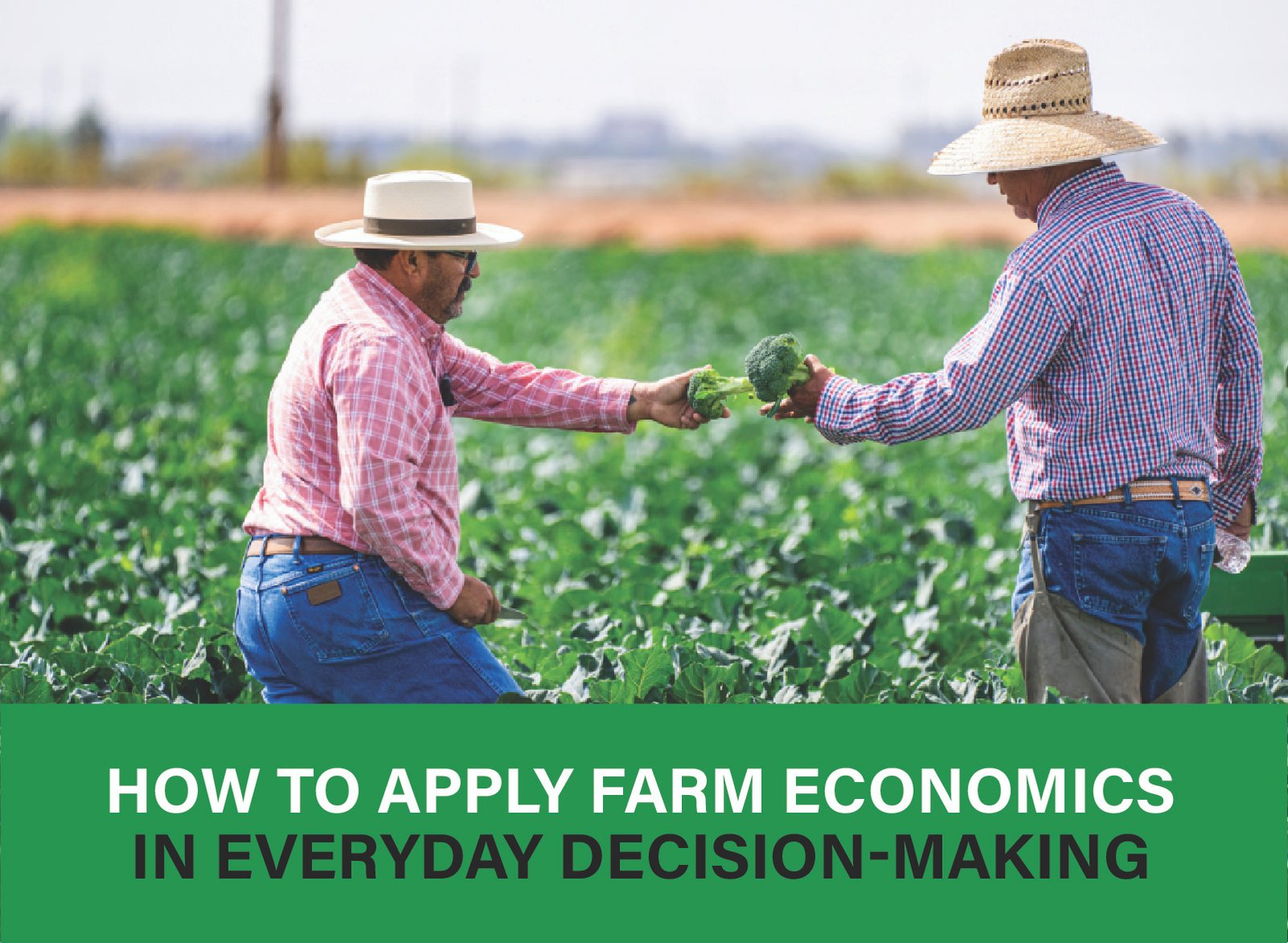
Farm economics deals with allocation of resources in farming systems, production, and costs. Though the use of this field is considered a necessity in business concerning farms, they can also be used in personal lives in day-to-day decision-making. Such pertinent notions as cost benefit analysis, resource allocation, and risk management are useful items that allow making wiser financial, time, and resource-based choices. As an example, one can consider purchasing, investment, even time management with the help of cost-benefit analysis. They may evaluate the expenses against the possible rewards and make better choices so that their resources may be used more efficiently. Also, there can be effective allocation of resources i.e in budgeting of household funds or allocation of everyday activities, so that the scarce provisions are utilized in the best way possible.
Risk management is also another thing that we are taught in farm economics. It is especially connected with the financial judgment because there is a possibility to reduce possible losses by quantity diversification of the investments and evaluation of the tendencies on the market. Moreover, the knowledge on the efficiency of the farm systems may lead to the enhanced individual productivity, and organization of the time devoted to different activities. Again, be it as an owner of a given farm or as another person wishing to make a better decision in his or her life, implementing these theories of the agricultural economy in everyday life can produce positive results in your spending, optimize the use of resources, and generally make a smarter choice.
Key Concepts of Farm Economics and Their Relevance to Everyday Life
The economics of farming is also very useful in personal finance, time management, and allocation of resources. With cost benefit analysis, one can determine whether the benefits of an action are greater than the consequences of the action hence making wiser financial decisions. Another important concept is the aspect of resource allocation since the values involved are limited and have to be utilized in an efficient manner in day-to-day life.
Risk management is instrumental in making good judgments in ambiguous circumstances, such as when making an investment or when we want to cover an eventuality. The farm economics also focuses on efficiency to produce as much as possible using little resources that can be transferred to household management or optimal expenditure. When people comprehend these concepts, they will be able to make a better judgment, resulting in the positive influence on their financial situation, and the more efficient management of the funds in personal life.
Cost-Benefit Analysis
Cost benefit analysis is the most important aspect in farm economics, and it assists farmers in making financial decisions. It may be used in the individual’s life when buying goods such as electric appliances, or home refurbishing. With the evaluation of the possible costs and benefits, people will be able to make their decisions, and will be sure that they can get the best value of money, and will not spend it in vain.
Resource Allocation
Efficient utilization of scarce resources, such as land, labor and capital is the concept of resource allocation in farm economics. This principle is used in day to day dealing with time and money management. A person can use the opportunity to maximize his/her resources by doing or investing on something which is going to give maximum returns hence making him more productive, and since the basic needs would be taken care of first.
Marginal Analysis
Marginal analysis assists the farmers to decide how much they ought to produce in order to keep the returns to the highest. This is employed in general use of decision-making where the consumer behavior is measured including the question of whether the increase of spending on a luxurious good is worth the amount. It aids in making people more intelligent in their decisions regarding discretionary spending including marginal gains.
Risk Management
The farmers deal with several risks, such as market trends, and unreliable weather. The concept of risk, in general, at a personal financial level, helps to determine how to choose insurance plans, diversify investments, or create emergency funds. With good risk management, a person gets prepared to face uncertainties, and avoid significant losses that could cause them monetary damages in the long term.
Efficiency and Productivity
Farm economics concentrates on optimal production through low cost of production. The idea can be used in real life by implementing the practice of meal prep, organization of chores at the house, or efficiency of errands. Dwelling on the efficiency, a person could save time, lessen expenditures, and raise productivity, improving the overall level of life.
How Cost-Benefit Analysis Can Shape Your Decisions
Cost-benefit analysis is another important farm economy tool that can be used to determine whether a certain decision can be proven cost-worthy in terms of benefits. It is possible to apply this principle in numerous areas of everyday life, i.e., to individual economics, or even time management. In another example, when deciding whether to buy something, an additional appliance or gadget, you can take the long-term benefits, better to use or economy, into account in terms of cost. In a similar manner, in organizing a vacation, one can know how worthwhile the leisure and fun would be as compared to the time, and money wasted.
Cost-benefit analysis enables people to make wiser decisions that are based on rationality; the avoidance of spontaneous purchases; and the ability to spend money that gets the most value out of it. This way of planning limits financial dangers, and makes sure that resources (money, time or efforts) are efficiently utilized to attain fancied results
Household Budgeting
Cost-benefit analysis in personal finance is used in the distribution of finances between essential needs, and desires. You can determine the worth of every expense and hence eliminate some that are not worth retaining in order to save better. This will make your expenditure be in line with your financial priorities and it will make you save as much as possible towards future interests.
Evaluating Investments
The cost-benefit analysis can be used to investigate investments like buying a home, investing in stocks or financial aid to schooling. You will make better decisions by balancing the advanced expenditure with the earnings that are likely to be obtained. The approach also allows you to know whether the perceived benefits beat the initial capital outlay, and will ultimately ensure that you invest on prospects with optimum financial returns.
Making Lifestyle Choices
In the same way that a farmer on the farm will perform a cost-benefit analysis to justify whether he invests money in an expansion, or on new equipment, you can use this tool to make lifestyle decisions. The risks involved in the long-run may be successful, such as taking a vacation, buying a new car, or renovating the house you live in; the rewards of these actions have to be weighed against the cost.
Time Management Decisions
Just like farmers manage their time effectively, cost-benefit analysis is of benefit in personal time management. Compare the time you spend in doing things such as entertainment or trying to master new skills to the value of these things in the long run. This allows one to focus more on the tasks that will help them grow, and develop as a person in both their personal, and professional life, being as effective as possible and ensuring that they are happy in life as a whole.
Choosing Business Ventures
Cost-benefit analysis enables business owners to make decisions on the business to venture in. Regardless of starting a side hustle, or a new project, analyzing the risk, returns, and effort it takes may enable you to create informed decisions. This is a way to guarantee that you spend your resources and times in the most viable, and sustainability opportunities.
Resource Allocation for Financial and Time Management
Wise use of resources is one of the influential principles of farm economics, and it can be important to the same scale when assigning financial and time resources to personal use. One of the key points in financial management is to ensure efficient resource allocation in a manner that helps to ensure that one can spend his or her money well, by spending according to priorities, and saving or investing in future needs. This may include planning, reducing the unnecessary costs, and utilizing the available finances to the maximum to ensure that the financial security is achievable in the long term.
The tool of resource allocation is used in time management whereby one is able to prioritize tasks in order to enhance productivity. It is also possible to accomplish work-life balance by dedicating time to time-sensitive tasks (like working, or self-improvement of some kind), and optimize your daily schedule to have more time to perform activities with high value to you. The combination of financial and time resources allows the use of everything available to the extent possible and achieve better results, and increase efficiency in any of the contexts, be it house budget or a busy day.
Prioritizing Expenses
The allocation of resources in farm economics makes sure that the financial resources are channeled in productive activities. Likewise, in everyday life, this rule can be applied to give priority to the costs by paying more attention to such basic needs as housing, utilities, and groceries, and spending less on anything unnecessary. This methodology can make sure about the fulfillment of basic requirements and keeping economics afloat, and stimulating the savings in the long run.
Allocating Time Efficiently
To ensure productivity farmers distribute their time to different activities. In the same way, people can follow resource allocation by laying emphasis on doing crucial activities, and their time management. This enables one to have more balance on personal, professional and leisure time activities, and people can be able to reach their objectives without the stress and good productivity.
Budgeting for Emergencies
The farms keep some percentage of their budget to take care of any mishap, such as crop failure, and so should personal finances, which should consider unexpected expenses, such as health care expenditures or emergency house repairs. It is a kind of precautionary measure that allows staying afloat during the harsh periods, minimizing the losses caused by unforeseen events, and allowing it to bounce back faster.
Managing Shared Resources
In collective living, resource allocation is vital when it comes to controlling the collective costs such as utilities and food. Through resource allocation and sharing, households would be able to prevent wastage, reduce expenditure, and have an equal distribution. This contributes to the healthy balance of the surrounding conditions in living conditions, so that users could utilize the resources as much as possible without drawing up the prices to unrealistic levels.
Sustainable Resource Use
Sustainable use of resources is stressed in farm economics so as to remain productive in future. Likewise, in personal life people can choose certain practices, such as waste reduction, use of less energy and investment in environmentally friendly solutions. Such activities should assist in ensuring sustainability and enhancing the environment, as well as future savings.
Managing Risk in Personal Decision-Making
Risk management is a main rule of farm economics as farmers plan market risks, weather conditions and financial losses on a regular basis when making evaluation decisions. Likewise, a person also has to also take into account the risks when it comes to personal decision making such as the use of money, investment, and career wise. When making economic decisions such as whether to invest in the stock market, to be insured or to buy a house, estimating the possible risks aid people to make better, and safer decisions.
Risk management in personal finance is an examination of any uncertainties of job stability, inflation and health expenditures. By investing in a variety of investments, saving on emergencies and good risk mitigation strategy, one is able to guard against the unseen financial loss. Knowledge, and management of risk also enables individuals to make informed decisions according to their objective with minimal risks that may end up losing money that will guarantee their financial position in future.
Financial Planning and Risk Diversification
Farmers also spread their chances to reduce risks and people can do the same with investments. To avoid being victimized by the uncertainties in the market, investors should diversify their wealth in stocks, bonds, and real estates. This means that this will assist in providing long-term financial growth, lessens exposure to risk, and portfolio balance to achieve financial stability.
Insurance and Protection
The farmers buy insurance against any accident that might result in crop failure, or livestock loss or even loss of equipment. On the same note, one could look at health, life, or property cover in order to secure his/her finances outlook. Insurance offers a final bail-out when there is expense that was not anticipated and mitigates the financial consequences of such an unprecedented mishap, and allows more financial stability.
Emergency Fund Planning
Risk management involves being prepared when one has expected the unexpected in farm economics. In personal life this means that one should set up an emergency fund to meet unexpected expenses, such as a medical bill, home repair, or even loss of job. An emergency fund offers peace of mind since you no longer have to be worried about the future and about facing an emergency that would upset your financial plans.
Retirement Planning
Farming basics imply that farmers save, and amass funds by planting seed over time so that when they retire they have some savings. In the same manner, one ought to save some retirement money under schemes such as IRA, 401 (k), or any other investment schemes. Pre-planning gives a future assurance of financial safety, and that one will have a stable income in his/her retirement years so that he/she can continue living his/her style of life, and there is nothing to worry about in the future.
Assessing Business Risks
Farmers have a way of analyzing risks prior to the expansion of the operations, or exploration of new ventures. The same thing should apply to entrepreneurs when they want to open a business or invest heavily. Through evaluation of the risks involved and comparing the advantages, people will be able to decide anything and never be over-exposed to the loss and the business ventures launched by them will remain sustainable to achieve success in the long run.
Efficiency and Productivity in Everyday Life
Efficiency and productivity are very important elements of farm economics that control profitability and optical utilization of resources. These doctrines are easily applicable to real life with an aim of enhancing personal and professional productivity. In concentrating on efficiency, people will be able to simplify their routine chores, as well as lead a more economical life with less wastage of their time and resources. As an example, in home organization, time and energy can be saved to some degree by implementing effective management behavior, like preparation of the meals, scheduling activities, or automating payment of bills.
Meanwhile, in the workplace, or other professional life, a more organized, and balanced life can be created because the productivity is reached because of emphasis on goals, prioritization, and eliminating numerous distractions, which results into increased output of work, more effective use of time, and money or energy, therefore making people reach their goals and resolving in general better well-being.
Streamlining Household Tasks
Efficient farming helps farmers produce maximum crops. On the same note, daily living allows the improvement of household chores through arranging them, designing schedules, and eradicating inefficiency. This saves on time, making it more organized, and also less stressed out to ensure that the home operates smoothly with the least efforts, and keeping the house clean and comfortable to live in.
Personal Health and Fitness
Farmers also utilize productivity methods, to facilitate day to day activities. Likewise, effective health, and fitness practices can be learnt by an individual like diet-meal preparation and scheduling regular exercise routines. This specific plan contributes to improved overall health, which allows sustaining a balanced way of life, and enhancing physical and psychological fitness.
Career and Professional Development
In the same way as farms control and enhance productivity, people can evaluate their professional development based on time management, goal-setting, and life-long education. Remaining organized, and motivating themselves to take steps to prosper in a career, they will be able to get to milestones, and move up in the career and remain a success story, and be satisfied with their career choice.
Automating Routine Tasks
Automation saves time and costs to the farmers. In the same respect, one can automate everyday routines with the technology, such as paying bills, budgeting, or making appointments. Automation eliminates those minor tasks that demand time, and take away the energy to complete other greater tasks.
Maximizing Financial Resources
The farmers avoid wastage of resources to maximize returns. In our day to day life, we can also practice this principle by making sound financial choices, investing, and ensuring that we avoid making extra spending. With the help of savings and reducing useless expenditures, people can reach the status of stable finances and even strive to accumulate wealth.
Conclusion:
It is possible to make wiser, more efficient and effective choices, and decisions when making them in a city by applying some of the concepts of farm economics in day-to-day life. One can apply such concepts as cost-benefit analysis, resource allocation, risk management, and efficiency to make wiser decisions in personal finances, time usage, and other spheres of life. Through these tenets, you can convert the best use of the available resources, and maximize your long-term well-being.
Are you ready to apply the economics of a farm in your everyday decisions? First is to review your financial decisions, manage your time better, and determine risks in your life. Start today and enjoy the fruits of making smarter judgments. Sign up to our newsletter, and keep yourself updated on more tips!
FAQs
1: What is the role of the cost benefit analysis with personal budgeting?
The cost-benefit analysis allows assessing whether a particular expenditure is worth the investment by assessing costs against the benefits and making smarter financial decisions.
2: What is a resource allocation in everyday life?
The process of resource allocation deals with allocating priorities to time, money, and energy to ensure maximum gains in personal and professional activities.
3. What are my options on managing financial risks?
Ways to manage risks include diversification, insurance, and emergency funds against lumps.
4: How do you raise your productivity?
Elaborate on the process, create objectives, provide automation of routine labour, and pay attention to time management to increase productivity.
5: What role does the economics of farm play in personal finance?
The economics of farms also instruct on resource management, minimizing wastes, and turning every goodness to its maximum worth, which translates to personal finance.
6: Do small businesses have farm economics?
Yes, farm economics can be applied in cost-benefit analysis, resource allocation, and risk control of small businesses to guarantee profitability.
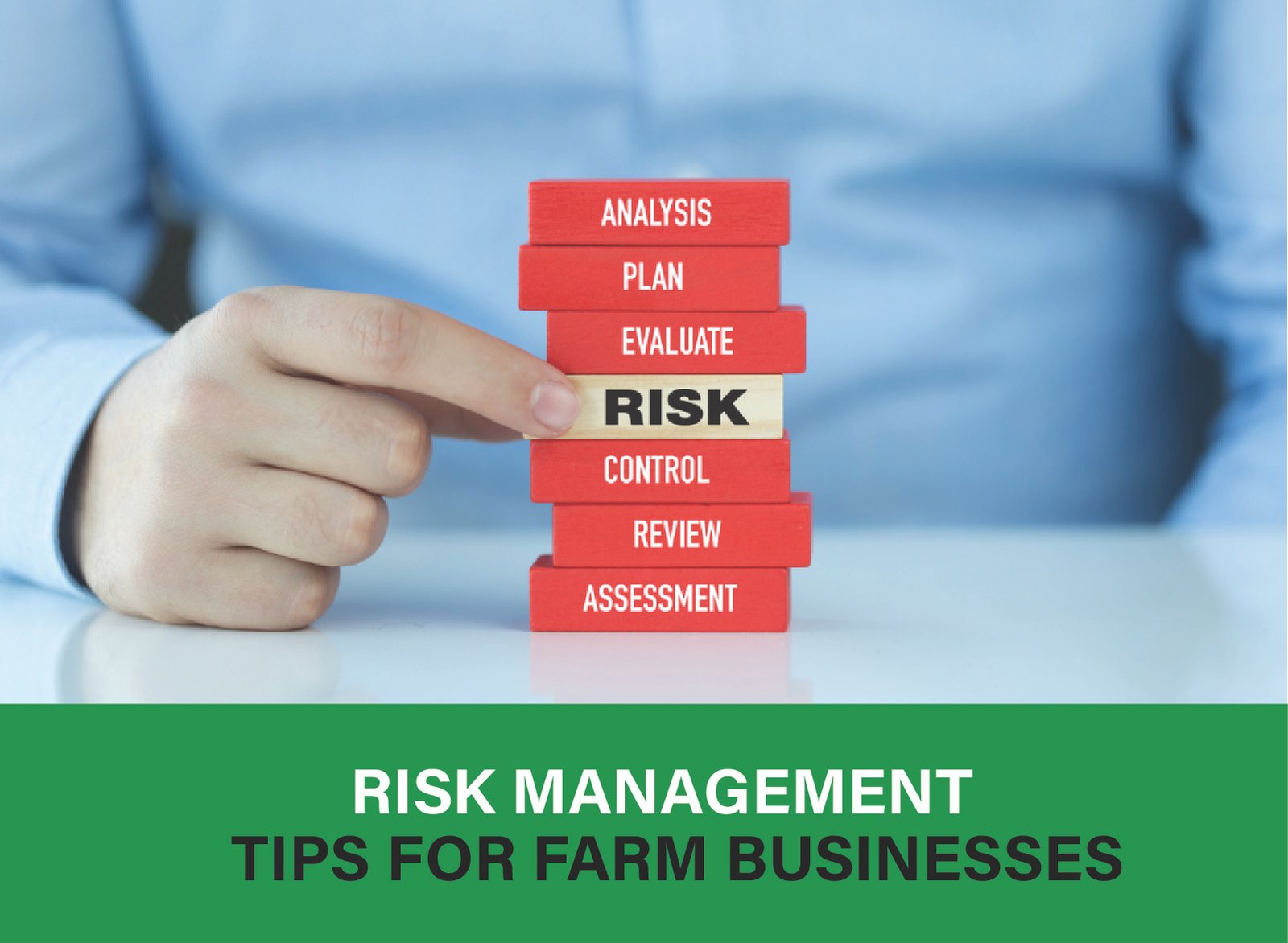
There are several risks that are involved in farm businesses that are likely to affect the sustainability and profitability. These risks include financial instability, and crop failure, market prices and weather conditions which are not predictive. These risks are essential to deal with effectively to continue the operation of a farm and safekeep the assets. The introduction of risk management strategies, which include insurance buying, crop diversification and environmental planning, can facilitate in preventing the losses because of the risks, and maintain the sustainability of the business concerned. When available tools, and methods are properly used, the farmers will be able to minimize their exposure to risks and become more resilient against unforeseen problems and provide for their financial future.
Risk management also includes rational choices regarding resource usage and budgeting as well as planning bad circumstances. Being able to adapt to the variabilities on the market and environmental factors, it is useful when farmers have more than one income source generated by different kinds of crops or livestock, when they receive crop insurance, and when technology helps to make more accurate forecasts. This article will detail some critical risk management guidelines that the farm businesses can implement to minimize the risk, achieve long-term success, and guarantee financial well-being.
Identifying Key Risks in Farm Businesses
The initial step towards coming up with effective risk management strategies to farm businesses involves identification of some notable risks. The risks will fall in three categories, such as financial, operational, and environmental. Financial risks can be in the form of variable market price, variable interest rates, and cash flow that may put pressure on resources. Operational risks are related to the interference of everyday operation in the farm like failure of equipment, workforce or supply chain management.
The aspect of environmental risk is usually unforeseeable and may involve weather conditions, such as drought, flood or crop disease that may reduce the yield. This helps in knowing, and determining these risks, so that a farmer would know the aspects that should be given priority. This enables them to adopt specific measures, i.e., insurance, diversification, or improved management of resources to ensure that exposure is reduced to an extent where the business is not at risk of exposure.
Financial Risks
Financial risks involve problems of cash flows, volatile prices of commodities, and levels of debts. These are factors that put the farm finances at risk and unprofitable. As farmers are able to identify them early, the advantage is that they could be able to control their costs effectively, plan the market fluctuations, and obtain financial stability. Budgetary measures, and cash reserves are the other ways that control the effects of financial risks.
Operational Risks
Operational risks are caused by equipment failure, labor-lack, and processes inefficiency. These risks will lead to delays, addition of more costs and lowered productivity. As part of reducing the operational risks, farmers are advised to undertake routine checkups, audits of operations, and simplification of procedures. To improve labor management, it is preparative to ensure that the labor is well managed and the proper training is administered, so that there are no negative levels of productivity.
Environmental Risks
Geographical hazards may have an adverse influence on the output of crops and the health conditions of livestock. These risks are provided due to climate change which is a source of unpredictability. The farmers must pay more attention to weather changes, and should develop some adjusting means within the farm such as crop rotation, irrigation systems, and soil conservation.
Market Risks
The market risks are due to the unpredictability of the commodity prices, the change of demands and in the consumer behavior. Such risks are capable of influencing farm revenues and profitability. Ways of curtailing the exposure include farmers carrying out market research, diversifying crops or livestock and trying niche markets.
Legal and Regulatory Risks
The legal and regulatory risks are due to fluctuations in the agricultural laws, environmental laws, and labor laws. It is subject to fines and legal squabbles in the event of non-compliance. Farmers ought to ensure they have proper knowledge on regulations, proper records, and take legal advice where advised. Active adherence to the law minimizes the threat of legal problems, and secures the activities of the farm.
Risk Management Strategies for Farm Businesses
Once the major risks have been identified, they should be addressed by adopting smart management tactics to avert the possible losses and cushion the farm against economic turbulence, and recessions. Proactive risk management enables the farmer to expect a challenge and react to it in a timely manner. With regard to financial risks, it can be stable by having a good budget, income diversification, and getting insurance. Operational risks may be controlled by means of routine equipment maintenance, employee training and process optimization.
Some of the methods that farmers could use to combat such environmental risks include their investment in irrigation technology, the use of crops that are resistant to the changing climate, and weather observation. Risks in the markets can be reduced through market research, diversification of the crop, and alternative use of sale channels. Legal and regulatory issues are controllable as long as one keeps in touch with dynamics in the law and incorporates legal counsel.
Diversification of Crops and Livestock
Natural diversification eliminates the use of one primary source of income. Through diversification in the type of crop produced or the kind of livestock they keep, farmers could cushion against the shocks of the unpredictability of the market, or outbreak of diseases or the vagaries of nature entailing stable returns and lessening the risks related to a single commodity or product.
Invest in Insurance
Insurance is necessary as a risk management strategy in safeguarding farm businesses. Insurance schemes, such as crop, livestock and weather partly assist farmers to recover financially after their assets have been destroyed by a natural event, disease or a change in the market. Besides, investing in insurance will help one to give the farm a safety net, so that it has the chance to recover after being hit by adverse situations, and still make up some of its financial losses.
Develop a Disaster Recovery Plan
Such a risk is quite impossible to predict, and therefore, this is where a disaster recovery plan comes in handy when it comes to trying to come out of major disruptions e.g. through a natural disaster or a market crash. Such a plan must involve emergency procedures, alternative suppliers, and plans of carrying on during such a crisis. The presence of a recovery plan means that just in case of any misfortune, the farm can implement it and get back on its feet to carry on with the operations.
Use Financial Hedging and Forward Contracts
Forward contracts and financial hedging techniques assist in controlling the risks of fluctuation in agricultural outputs. Farmers can purchase security through forward pricing of crops or livestock and hedge against vagaries of the market, thus obtaining more tenable income. Such strategies provide financial security to the farmers, so that farmers can plan better and expose themselves to lower risks regarding prices.
Implement Sustainable Practices
Green farming methods (soil conservation, water management, organic farming) minimize risks in the environment and precondition the sustainability of a farm. These practices will help farmers preserve the land, keep down costs of inputs, and guarantee profitability in the long run.
Utilizing Technology for Risk Management
Technology has become a useful resource when it comes to the control of risks on farms. Garmin as an example, has precision agriculture, where the farmer uses GPS, sensors, and drones to keep track of his crops health, soil moisture and weather conditions in real time. The data will enable farmers to make appropriate choices, manage the resources that they have, as well as alert them of any risk before they become a major problem.
Moreover, the utilization of digital tools, such as data analytics, allows farmers to predict the weather, prices, and production output trends and start planning appropriately to avoid the risks they take because of the volatility situation. Technology is also used to enhance efficiency in the working processes, and cut down operating costs and eliminate man error. Accepting such innovative technological trends, farmers will be able to control risks, boost production outcomes, and preserve their business against unprecedented obstacles.
Precision Agriculture for Resource Management
Technology such as GPS, sensors, and drones aid in precision agriculture in terms of monitoring crop health/condition, soil, irrigation requirements. Farmers can use the data-driven insights to better utilize their resources, minimize wastes, and decrease the probability of environmental risks. This technology can aid in assuring that application of water, fertilizers, and pesticides is made when necessary thus onerous farming is encouraged and better productivity is made.
Weather Forecasting Tools
With sophisticated weather prediction instruments, farmers are able to predict weather like storms, frost, or droughts. Being aware of the changes in the weather means that a farmer will be able to take preventive action by, say, changing the irrigation program, or covering wounds, livestock, and crops.
Farm Management Software
Farm management programs enable the farmers to monitor cost of production, inventory control and financial management. On such platforms, there is on-the-spot data analysis enabling farmers to interpret information. Monitoring expenses, revenues, and the general performance of the farm, the software helps to minimize financial risks, and allows managing the allocation of the available resources in the most efficient way to enhance profitability.
Automated Irrigation Systems
The weather forecast information and soil moisture sensors are used to optimize the amount of water used on automated irrigation systems. Such systems minimize the wastage of water as crops are given regular supply as well as saving of water resources. Sustainable farming One of the benefits of automated irrigation is improved labor cost reduction, and elimination of drought risks or other water shortages.
Mobile Apps for Risk Monitoring
Risk management cannot be overvalued without using mobile applications that offer an up-to-date forecast of weather conditions, prices in the market, or an outbreak of pests. With the help of these applications, farmers will be able to update themselves anywhere and take timely decisions to reduce their risks. They also extend their services to ensure that they provide expert advice, and guidance to the farmers to ensure that they know how to go about certain risks.
Risk Management Through Financial Planning
One of the effective means of dealing with financial risks within the farm is effective financial planning. With knowledge of the cash flow, farmers will be able to predict the time when there will be an insufficient income, and make sure that they have money to cover the operational expenses. Debt management is also important, because it can prevent over leveraging and leave the farmers with financial stability. Farmers can mitigate the danger of having problems with debts by setting in place a transparent schedule of repayment ,and keeping on top of the financial commitments.
The procurement of finance in terms of a loan, a grant, or subsidies gives a cushion of money that can be utilized in investments, emergency costs, or sustaining a sudden decline in the business. Having a detailed financial plan also allows a farmer to develop a financial cushion which guards against risk such as loss of crop, fluctuating markets, or weather induced calamities.
Budgeting for Risk Mitigation
An effective budget makes a farmer expect expenditure as well as save money to cover associated risks. Emergencies, such as crop insurance payments, or unexpected repairs should be factored in which means that the farm is at the ready when something goes wrong. A proactive budget enables the farmers to deal with monetary risks, and have no surprises, they would be more stable during a hard time.
Maintaining Cash Reserves
It is imperative to create cash reserves to respond to financial risks. A farmer is supposed to save money which can be used when there is low revenue, and at times when possible misfortunes are experienced. Cash reserve presents a level of financial protection since the farm can still operate even when there is a dip and a business will be able to endure the low revenue as compared to what had been expected.
Debt Management and Refinancing
A good debt management is also a factor that minimizes the financial risk. They should identify their debts regularly and consider refinancing when required. Providing payment of loans with accordance to cash flow will prevent overstraining, as well as enabling the farm to maintain payment of loans, even at the point where other operational requirements are not to be disregarded.
Securing Grants and Subsidies
The financial risks may be mitigated by getting grants and subsidies provided by the government programs, agricultural organizations, or by private investors. Money can be used to pay loan expenses relating to updating infrastructure, as well as buying equipment, or carrying out risk management strategies without mortgage or strain on the farmer.
Creating a Contingency Fund
Contingency fund- The contingency fund is a necessary one that will help in addressing unforeseen circumstances, and would not put unnecessary pressure on the financial health of the farm. Having money devoted to such an event will allow the farmers to become prepared to face unexpected expenses, like the repair of equipment or loss of crop, in a way that does not affect their overall functioning, or disrupt the cash flow of the business.
The Role of Government and Industry Support in Risk Management
The farmers are not left alone in risk management, they have the aid of government programs, insurance schemes, and industry associations supporting them with the essential resources. Government interventions, which provide crop insurance, and disaster relief funds, reduce the financial effects among the weather, market changes or crop disasters. The programs act as a strategic safety net, giving the farmers an opportunity of recovering when affected by unforeseen problems. There are also the agricultural insurance covers, such as the cover of multi-peril crop insurance and livestock insurance, which protect against certain risks such as droughts, pests and diseases. The industry associations can fill some of this gap since they provide counsel, risk management facilities, and market information to ensure informed decision-making by farmers.
Government Risk Management Programs
Most of the governments have risk management programs which assist financially, insurance, and subsidize farmers. The programs assist in cushioning the effects of natural calamities, crop related losses and fluctuations in the market by providing financial assistance when one is in need of the same. By joining these programs, farmers are able to minimize the economic burden that may be experienced by unknown circumstances, and protect their business.
Accessing Agricultural Insurance Programs
Insurances such as crop and livestock insurance fall into the category of agricultural insurance that cushions against natural disaster, diseases, and market price fluctuations. Farmers are advised to research government-subsidized insurance that offer almost reasonably priced cover. These schemes enable the farmers to bounce back fast after losses; hence their business is not affected financially, and they are always in a position to keep going regardless of the hitches encountered.
Joining Farmer Cooperatives and Associations
Cooperative farmers, and industry associations offer collective purchasing power, the ability to share risks as well as access to the priced resource. These organizations can aid in cost reduction, bargaining power, and a wealthy network. Farmers can join other cooperatives, and associations and get discounts, share knowledge, increase resilience, and strengthen their presence in the market by having a sense of community.
Participating in Research and Development Programs
Agricultural organizations are carrying out research to come up with technologies and the practices that contain the risks. Farmers ought to be active users of these programs so as not to be left behind in terms of solutions/ideas and enhancing farm resilience. Following the current evidence, farmers will be able to increase their productivity, reduce their risks on the factors of the environment, and flexibly respond to the market changes.
Advocacy for Better Policies
Policies that can be pushed by farmers are price stabilization programs, the environment and policies that deal with the trade. Becoming a member of industry association or lobbies to implement policies that will obscure any future risk and make the culture friendlier towards farmers. Farmers should take the necessary action to advocate policies that can support their business and minimize the risks that hamper decisions related to future activities.
Conclusion:
Long-term sustainability and success of farm businesses requires risk management. Risk identification, putting mitigation measures on place, use of technology, government ,and industry support, are some of the ways in which farmers can guard their farms against financial and environmental risks. Good financial planning and monitoring keeps farms stable even in case of unpredictability. An appropriate risk management approach will enable farmers to establish a firm root on the apex of growth, profitability, and sustainability in the agriculture industry.
Would you like to increase the risk management strategies of your farm? By finding the possible risks and finding the useful solutions, you will be able to prevent financial losses of your farm and stay successful in the long-term perspective. Need assistance to deal with insurance, financial, or technology? We got it all figured out, and we will lead you through it. To find out more about how we can support you to manage risks and enhance sustainability of your farming business, contact us today. Together we can develop a sustainable future of your farm!
FAQs
1.What are the principal risks of the farm businesses?
The risks in farm businesses include financial, environmental, market, operational and legal risks. Discovery of these risks enables the farmers to employ successful management skills.
2.What is the role of insurance to reduce the risks of farms?
Insurance such as crop and livestock covers the farmers against weather hazards, diseases, and market changes which may cause financial losses.
3.What are the financial planning measures that can minimize risks?
Fiscal planning, cash cushion, debt management, grants/subsidies avoidance and sustainability are some of the ways of mitigating the financial risks.
4.What are the roles of technology in the management of risk in agriculture?
Farmers watch out for risks, manage their resources and make informed choices by using technology such as precision farming, weather forecasting equipment, and mobile applications.
5.What are the government programmes to manage the risk in farms?
The governments provide programs giving aids, subsidies, and options of insurance in order to farmers to reduce the risks that include crop failure or instability on the market.
6.What can diversified crops do to minimize farm risks?
Crop diversification decreases overdependence on one source of revenue. In case one crop fails the other crop assists in sustaining this income.
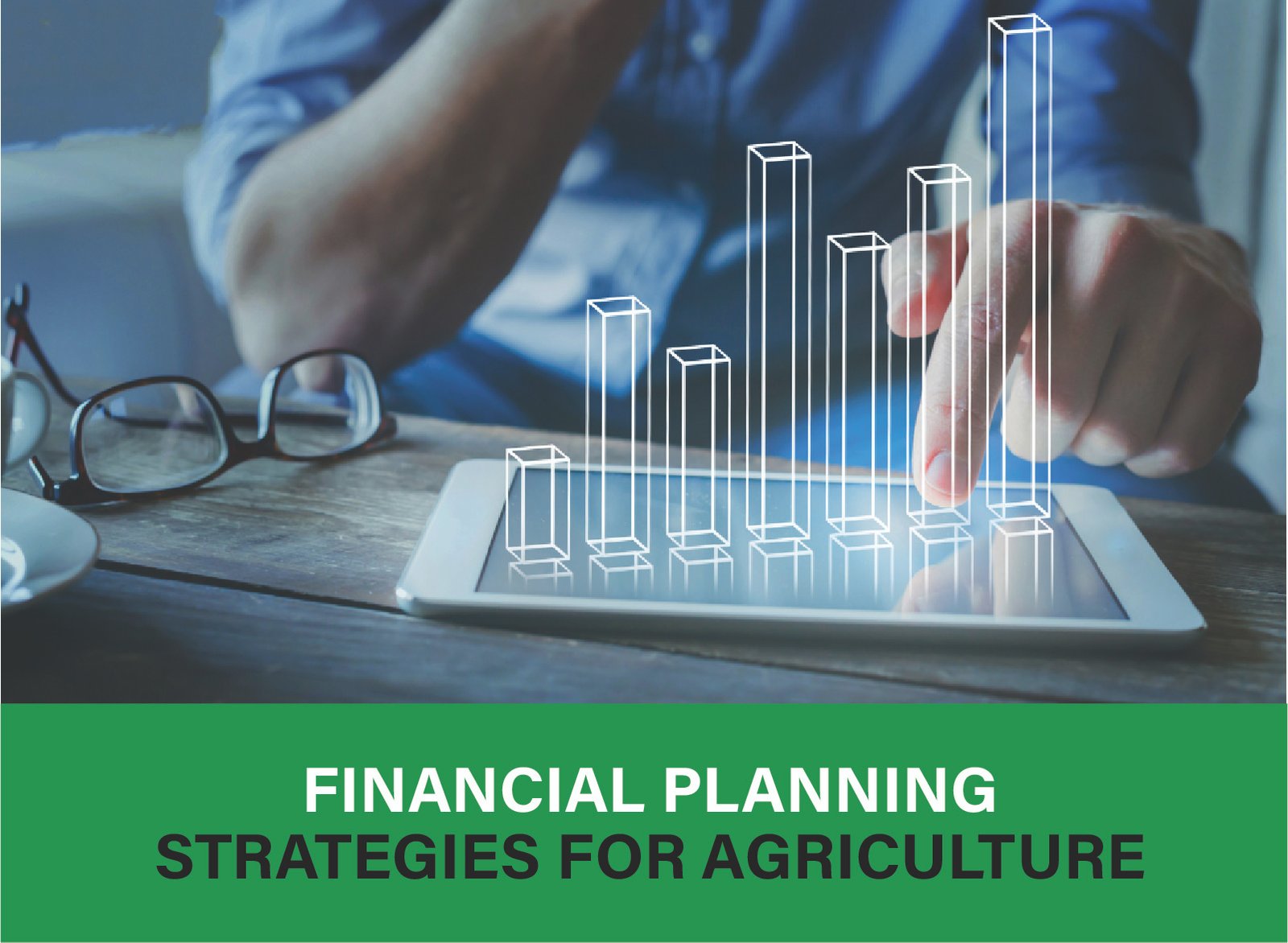
Any agricultural business has to succeed, be stable and long-term sustainable and this is only possible through financial planning. These external factors are uncontrollable, and include the variable market prices, variable weather conditions, the high cost of operations, and other variables that are unique to the agricultural sector. It is because of this that a well-organized financial strategy is more important than ever before. Proper financial planning can enable farmers to make the most of their resources, avoid risks and make profits. These plans include budgeting, cash flows, investments plans, and funds to obtain an expansion or improvement. Budgeting assists the farmers in cost control, and aids in monitoring their expenditure and cash flow management is able to guarantee they will access cash whenever they need it.
The planning of investments is important in the long-term development, and ensuring financial sustainability. Risk management practices are also good in predicting and reducing external risks such as weather changes, and price changes. Finance can also be critical in ensuring future growth or improvement of future competitiveness. With the use of powerful financial planning methods, the agricultural enterprises will be able to move through economic uncertainties, maximize financial resources, and eventually establish a solid base to succeed in the future. In this guide, it will be discussed how to make a good financial plan in agriculture, how to establish financial goals, how to manage risk, and how to make proper decisions when investing so that profits can be made in the long-term.
Importance of Financial Planning in Agriculture
Financing plays a key role in the prosperity and longevity of any agricultural operation. It offers a platform through which farmers can distribute their resources effectively, handle risks and make quality decisions on production, investments, as well as future growth. Farmers with no proper financial plan are likely to overstretch their assets leading to strain on their finances, and eventually the business may fail due to the huge debts they may be in. A well thought out financial plan means that farmers can better manage to profit levels due to cost cutting options that would be realized, better controls of cash, and streamlining operations.
It also gives the required basis in how to obtain funds, or finance towards expansion. Financial planning creates safety and stability through creating safeguards in the event of unforeseen events, such as weather, changes in the market, and other contingencies. In any case, well-planned financial planning will help farmers overcome obstacles, improve profitability, and guarantee long-term stability of the business, achieving success in the short-term, and guaranteeing its growth.
Resource Allocation and Cost Management
Financial planning makes farmers allocate resources effectively as they consider the important categories including equipment, labor, and supplies as the priority areas. The other way through which farmers will be able to protect their profits is to eliminate wastage by monitoring expenses. Effective cost management will mean that money is managed well so as to enhance efficiency of operations, and eventual raising of profitability without losing the required resources to run a successful farming operation.
Managing Cash Flow
Money flow is necessary when maintaining a functional agricultural activity. Financial planning is used in the management of the flow of money by predicting when money is required to be used in running the operations. This enables the farmers to have sufficient liquidity to meet the short-term expenses in terms of labor, supplies and maintenance, and avoids shortage of cash that can derail the normal operations of the farm.
Identifying Financial Risks
Financial planning assists the farmers to be in a position to find out the risks that they may be facing, such as price fluctuations, crop failures, or regulation of the crops. Farmers can then move to pro-active measures like taking insurances, crop diversification or price hedging by anticipating these risks in advance. This kind of forward thinking allows to reduce the possible losses, and make the farm ready against adverse challenges.
Long-Term Sustainability
To be able to sustain the business in the long term, financial planning is important in agricultural businesses. It enables the farmers to save to invest in the future, build infrastructures, and make improvements. With the future planning, farmers will be able to sustain their business, get used to changes and stay competitive among the competitors in the long run, making the farm successful in the future.
Securing Funding and Loans
A financial plan would be very important when trying to get financial backing in the form of funds or loans by the banks, or Investors. It proves that it is financially sound, and explains the effective utilization of finances. When there is a clear financial roadmap, there are better chances of getting capital since the lenders or investors would be confident that the farm can repay the loans, and emerge successfully.
Key Financial Planning Strategies for Agriculture
Financial planning of agricultural activities must be mixed with both short, and long term financing strategies in order to achieve effective financial planning of agriculture. Financial planning is based on budgeting and it enables farmers to trace revenues/outgoings, set feasible financial targets, as well as effective expenses management. Measures like insurance cover, or crop diversification are some of the risk management strategies that safeguard the financial losses in unexpected occurrences such as weather incidents or market changes.
The long-term growth involves utilization of investment strategies that provide resources to produce equipment, technology or even infrastructure to increase productivity. Getting access to capital is also an important factor where the necessary capital can be availed to carry out an expansion or an improvement of the business. These strategies will help farmers make sure that their agricultural business will become financially sustainable and will allow using its resources more efficiently as well as set it up to grow and become profitable in the long-term.
Develop a Detailed Budget
Detailed budget assists farmers to spend the money well, anticipate costs that are unforeseen, and operate within financial constraints. Through monitoring of the income, and expenses, a budget helps give a clear guideline on how to control the operational costs in the course of the farming season.
Forecast Cash Flow
This is because proper cash flow estimation can enable farmers to anticipate times when they are likely to collect less revenue, and also makes sure that there will be sufficient liquidity to finance the working capital requirements of the farm. Through periodical cash flow analysis, farmers will be able to know the loopholes and address them before they arise to cause cash crunch hence causing delay in normal business activities of the farmer.
Risk Management and Insurance
Due to the unpredictable nature of agriculture, risk management is considered to be very crucial. Farmers are guaranteed against unforeseen losses through insurance policies like crop, livestock, and weather types of policies. The introduction of such policies can reduce the financial consequences of unexpected events on farms, so that the recovery process of farmers can take place faster, and the consequences of such events may not seriously worsen the operations of farms.
Investment in Technology and Infrastructure
The development of modern farms and farming machinery, and technologies can also improve efficiency and decrease expenses as well as yield in crops. Financial planning would assist the farmers to determine the most suitable periods to spend, employ resources appropriately, and guarantee future development.
Tax Planning and Compliance
Financial management cannot be done without tax planning. Tax incentives, deductions, and credits available in the agrarian sector should be known by farmers. Effective planning of taxes enables them to realize the maximum returns, and is the best way to ensure that farmers do not incur penalties when they pay their taxes.
Managing Debt and Financing in Agriculture
Financial planning of agriculture should also involve debt management. Most farmers use credits or bank loans to fund their activities, most importantly in the acquisition of equipment, land or any other resources that they need. In effective management of the debt, the farm will be financially secure, and in a position to meet the operating costs. It also enables the farmers to make investment into future growth without hindering their capacity to make short term obligations. To stay out of financial trouble, it is necessary to set the repayment schedule as clearly as possible, learn about the interest rates, and accept the limits of the borrowings. Periodic evaluation of financial obligations will enable the farmers to make effective decisions on borrowing, refinancing, or loan repayment.
Monitor Debt-to-Income Ratio
The debt to income ratio is a vital index to farmers, which is a comparison of total debt payable with income amount caused by the farming activities. Consistent observation of this ratio means that that farm will not experience radical borrowing, and will be stable.
Leverage Government Grants and Subsidies
This is facilitated by the government grants, and subsidies on agricultural projects that enable farmers to minimize their pocket expenditures. These programs should be searched, and utilized in the financial planning process to enhance profitability. Through the granting, and subsidies in the financial plan, the farmers have more to use to enhance their farms, and cut down on operating expenses to enhance the financial stability of the farm.
Utilize Short-Term and Long-Term Loans
In agriculture, the loan is an important source of financing. Short loans are used to finance operations whereas long loans best suit those encounters that involve big investments, such as land or equipment. Financial planning enables farmers to determine the kind of loans that apply to them, how to repay the loan and ways in which the finances borrowed are utilized in developing, and sustaining the farm.
Optimize Financing for Equipment Purchases
The most common need to finance the purchasing of equipment with loans or lease is common in the farmer. Financial planning has assisted farmers to answer questions focusing on leasing or financing the equipment in regard to their cash flow and operating needs. With effective evaluation of financing sources, there will be no threats to the long-term financial condition as the farm will be able to distribute funds to purchase the necessary machinery without overloading the budget.
Improve Creditworthiness
To access cheap loans, and financing, a good credit score is necessary. Financial planning also includes enhancing credit by ensuring debts are paid on time, minimizing credit use levels, and having excellent financial backgrounds. Through good financial management, farmers are able to build up their credit rating hence getting access to better loan rates, and loans to run their farms.
Strategies for Managing Operational Costs
Handling of operational cost is important in the growth of profitability in agriculture. Cutting down the cost will help farmers raise their profit margins, and make sure that the business will survive in a rapidly changing market. Budgeting ideas, which include monitoring, and evaluation of cost, assist farmers to find ways on how to cut down on expenditure. Other main approaches would be to maximize the utilization of various resources including water, fertilizers, and fuel and to invest in power efficient machines to minimize the amount to be used in utilities. The method of management of labor costs can also be done through enhancement of productivity through training, schedule, and utilisation of technology to simplify work. Also, the farmers will be able to negotiate the prices with a supplier, and buy the inputs in large batches and reduce the waste by managing the inventory better.
Reduce Input Costs
The main task of managing inputs has been to become more efficient in using seeds, fertilizers, pesticides, and water to ensure lower production costs. Financial planning can determine how to make a bulk order, season sale, and cheap alternatives that will increase profitability. Through maximizing input and evaluation of suppliers, farmers minimize wastes, which help reduce cost, and improve the profitability without affecting the quality of the input.
Streamline Labor Costs
Most farms incur great costs in terms of labor. The means of financial planning, and labor cost management are the optimal level of staffing, the workforce productivity improvement, and the possibility of getting automation or labor-saving technology applied to perform certain routine activities. Proper management of labor will help the farmers know that they are not wasting any resources and as they are cutting the cost of labor, they are not compromising good quality, and output in their production work.
Maximize Energy Efficiency
The cost of energy could be a big burden to any agricultural process especially the irrigation systems, machinery, and heating systems. The financial planning process will assist in determining where the use of energy may be minimized e.g. by using energy efficient equipment, renewable energy, or by scheduling. The strategies will also contribute to a reduction in cost of energy; the overall profitability of farms will also improve, as well as the reduction in environmental impacts.
Negotiate Better Supplier Contracts
Negotiation on good terms with the suppliers will assist farmers to save on material and service costs. Financial planning keeps farmers updated of changes in pricing and the market conditions, and thus farmers can use the purchasing power. Establishing a good rapport with suppliers would help farmers to get good prices, discounts, and payment periods further cutting down the cost of operation.
Monitor and Control Overhead Expenses
The cost of overheads such as insurance, stationeries, and advertising must be kept under check as it would lead to excessive expenses incurred. Financial planning assists in areas one can cut on its overhead costs without compromising on its core business activities. Through cost reduction, farmers are able to sustain lean operations, and enhance profitability regardless of sustaining key business operations.
Financial Planning Tools and Resources for Farmers
To make the process of budgeting, monitoring, and forecasting in the agricultural sector easier, it is necessary to make use of the proper financial planning tools, and resources. Some parts of financial planning could be automated using technology and save time as well as human errors. Applications such as farm management apps, including QuickBooks or FarmLogs, enable the farmer to monitor the money and expenses, create accounts, and conduct cash flow.
Budgeting tools assist in ensuring that resources are used appropriately, whereas forecasting tools enable farmers to know how much they can get in form of revenue, and expenses in the future thus they can plan to cover bad times. Mobile applications, and spreadsheets also provide a highly personalized method of cost, and revenue tracking in real time too. There are online tools, including financial advisement guides, and governmental programs, to lean on. As these tools can be utilized, farmers can receive precious knowledge, optimize their economics, and make the right choices to enhance profitability, and long-run sustainability.
Farm Management Software
Farm management programs, such as Ag Leader, FarmLogs or CropTracker enable the farmers to monitor their expenses, forecast budgets, and measure their crops. Such devices give the information in real time which is of great use to farm operations. The farmers will be able to facilitate the process of financial planning, decision-making, resource optimization, and will eventually be able to increase the profitability of their activities, and the efficiency of their operations, by utilizing this software.
Accounting Software
QuickBooks, Xero, or FreshBooks are accounting software helping farmers to handle their finances, monitor income and costs, and get ready to pay taxes. These aids make life easy in terms of finance organization to have accurate records, and reporting. Through automation of financial processes that require regular repetition, farmers will use less time, make fewer mistakes, and have transparent financial control, which can make business processes easier.
Financial Planning Apps
Applications such as AgriWebb or Farm Plan are designed to assist farmers and map their budgets, track expenses, and conduct financial reports. These portable applications will allow them to do financial management even on the road so that one can easily monitor their expenditures to make decisions based on the data available anywhere. Financial planning apps enhance convenience, and leave farmers not to be behind in terms of money management wherever they are.
Financial Consulting Services
There is a special kind of consultation service in the field of farming that helps farmers. Such practitioners provide customized guidance to those on budget, investments and taxation. Financial consultants verify whether the financial plan of the farm corresponds to the purpose of the farm and farmers, and help them to cope with the complicated financial decisions, and better use their assets in order to grow, be profitable, and sustainable.
Online Learning and Resources
Farmers can access resource information, or take online courses and webinars about agricultural extension benefits, which can afford valuable financial information, as well. These education tools are able to keep the farmers abreast of the current best practices as far as financial planning is concerned which includes budgeting, tax planning, and risk management. Lifelong learning helps make more intelligent financial choices and farms succeed.
Conclusion:
Agricultural business stresses on financial planning as a key to its success. Farmers can guarantee the sustainability, and profitability of their farms by creating a system by which they will view long-term management of cost, cash flow, financing, and optimization of investment. Farmers should have proper financial planning which assists them to deal with the changes in market, risks, and future expansions. With the help of the proper tools, being aware of the best business practices related to the financial side of business, analyzing and checking their financial plans on a regular basis, farmers may make better decisions, increase their efficiency, and reach their business purposes.
Are you one step away to enhancing your farm balance sheets? The idea is to ensure that robust financial planning strategies are in place to help in dealing with the issues of agriculture and ensure that long-term success is achieved. For anything concerning the budget, forecasting, funding, our team can help you out. If you want to see how we can assist you in having a customized financial plan that leads to an increase in profitability, mitigates risks, and provides support to your agricultural activities, contact us today. Build a better financial future of your farm with me!
FAQs
1.What is agriculture financial planning?
This is budgeting, management of cash flow, projection of cost and cost cutting opportunities so as to keep profits high.
2.What is the essence of financial planning to farmers?
It assists in the control of resources, how to expect expenditure, and how to achieve sustainability.
3.What can I do to lower the cost of operation on my farm?
Exploit resources, make labor efficient, bargain with suppliers, and adopt energy saving technologies.
4.Which financial instruments are useful to the farmers?
Recipes and farms management software, accounting software, financial applications, and consultations.
5.What do I do to raise capital on my farm?
With the help of loans, grants, subsidies, and good financial strategy.
6.Which financial planning strategies are the most suitable for agriculture?
Budgeting, Cash forecasting, risk management, technology investment and cost reduction.

How to Apply Farm Economics in Everyday Decision Making

Risk Management Tips for Farm Businesses

Financial Planning Strategies for Agriculture

How to Calculate Farm Production Costs

Economic Planning for Long-Term Farm Sustainability

Importance of Record Keeping in Farm Economics

Ways to Improve Financial Efficiency in Farming

How to Reduce Farm Expenses and Increase Income

Best Farm Budgeting Techniques for New Farmers

How to Create a Farm Business Plan

How to Maximize Profit in Small-Scale Farming

Economic Impact of Climate Change on Farming

How to Analyze Farm Financial Statements

Agricultural Cost Management Techniques for Farmers

Economic Factors Affecting Farm Productivity

How to Reduce Farming Cost with Economic Strategies

Understanding Supply and Demand in Agriculture

Agricultural Economics Strategies for Sustainable Farming

How to Improve Farm Profitability Through Economics

Best Agricultural Economics Tips for Small Farmers
Understanding Supply and Demand in Agriculture
Agricultural Cost Management Techniques for Farmers
Economic Factors Affecting Farm Productivity
How to Reduce Farming Cost with Economic Strategies
How to Maximize Profit in Small-Scale Farming
Financial Planning Strategies for Agriculture
Best Farm Budgeting Techniques for New Farmers
How to Improve Farm Profitability Through Economics
Agricultural Economics Strategies for Sustainable Farming
Best Agricultural Economics Tips for Small Farmers
How to Apply Farm Economics in Everyday Decision Making
Importance of Record Keeping in Farm Economics
How to Analyze Farm Financial Statements
Economic Impact of Climate Change on Farming
How to Create a Farm Business Plan
How to Reduce Farm Expenses and Increase Income
How to Calculate Farm Production Costs
Risk Management Tips for Farm Businesses
Ways to Improve Financial Efficiency in Farming
Economic Planning for Long-Term Farm Sustainability
How to Apply Farm Economics in Everyday Decision Making
Risk Management Tips for Farm Businesses
Financial Planning Strategies for Agriculture
How to Calculate Farm Production Costs
Economic Planning for Long-Term Farm Sustainability
Importance of Record Keeping in Farm Economics
Ways to Improve Financial Efficiency in Farming
How to Reduce Farm Expenses and Increase Income
Best Farm Budgeting Techniques for New Farmers
How to Create a Farm Business Plan
How to Maximize Profit in Small-Scale Farming
Economic Impact of Climate Change on Farming
How to Analyze Farm Financial Statements
Agricultural Cost Management Techniques for Farmers
Economic Factors Affecting Farm Productivity
How to Reduce Farming Cost with Economic Strategies
Understanding Supply and Demand in Agriculture
Agricultural Economics Strategies for Sustainable Farming
How to Improve Farm Profitability Through Economics
Best Agricultural Economics Tips for Small Farmers
-
 General Agricultural Economics Tips11 months ago
Understanding Supply and Demand in Agriculture
-
 General Agricultural Economics Tips10 months ago
Agricultural Cost Management Techniques for Farmers
-
 General Agricultural Economics Tips10 months ago
Economic Factors Affecting Farm Productivity
-
 General Agricultural Economics Tips11 months ago
How to Reduce Farming Cost with Economic Strategies
-
 General Agricultural Economics Tips10 months ago
How to Maximize Profit in Small-Scale Farming
-
 Farm Management & Budgeting6 months ago
Financial Planning Strategies for Agriculture
-
 Farm Management & Budgeting9 months ago
Best Farm Budgeting Techniques for New Farmers
-
 General Agricultural Economics Tips12 months ago
How to Improve Farm Profitability Through Economics


